
A Realistic Guide to Spending a Weekend in Joshua Tree
We go every December, and every December I forget how cold the desert actually gets after dark. That’s the running joke at this point. We drive in from the north through Twentynine Palms, the Joshua trees start showing up along the highway before you even hit the entrance station, and somewhere between checking into whatever Airbnb we’ve booked that year and standing outside for the first round of stargazing, someone always says some version of “wait, why didn’t I bring a real jacket.” Sometimes it’s a big group of us, sometimes it’s just me and one friend. Either way, it’s become the trip we build the whole holiday season around, and I’ve picked up enough real, practical knowledge from doing it repeatedly that I figured it was time to actually write it all down.
Getting in
We always come in through the north entrance near Twentynine Palms, which is the better call if you’re coming from the Los Angeles or Inland Empire direction and want the shortest, most direct approach. There are three entrances total, the north one near Twentynine Palms, the west one near the town of Joshua Tree, and a south entrance off Interstate 10 that’s the least crowded of the three but adds real driving time if you’re not already coming from that direction.
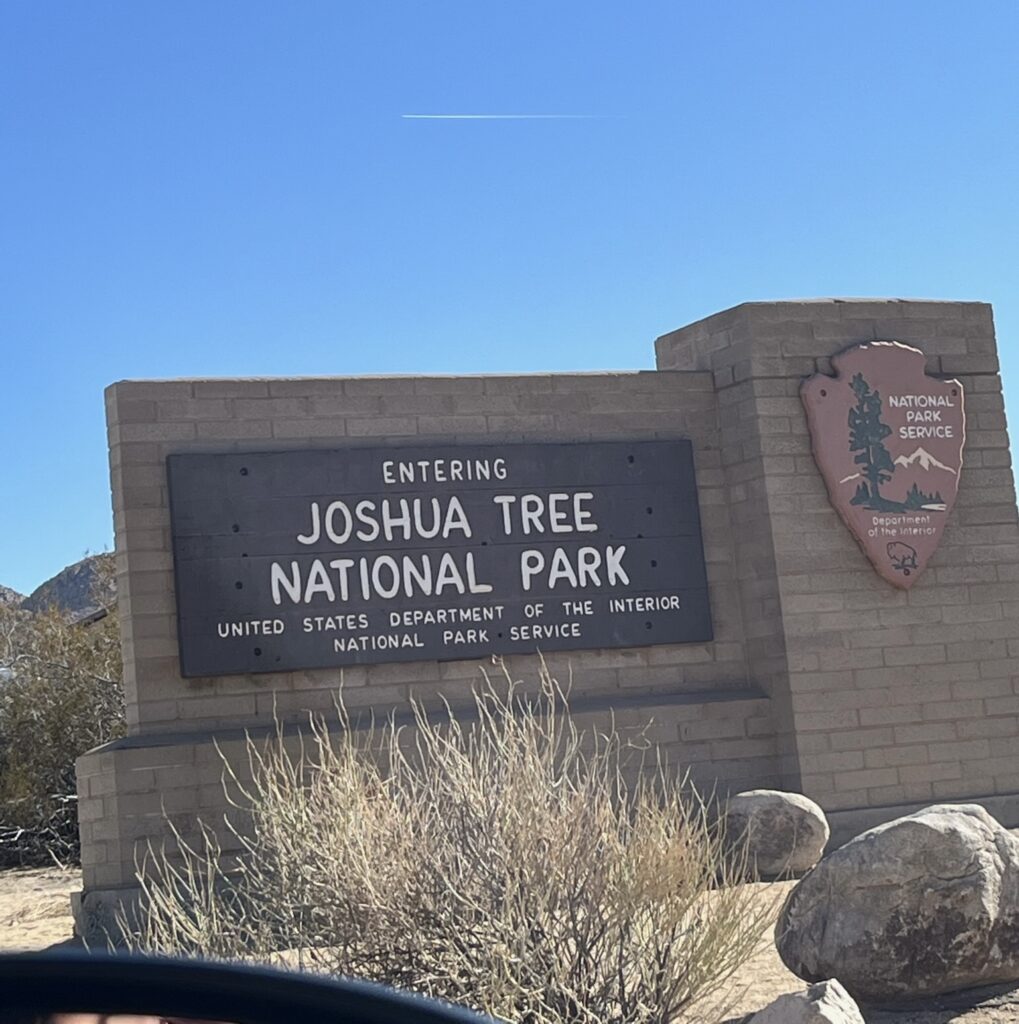
We did not make it into the park until about an hour later due to the drive (eh, 20 minutes maybe?) from our charging station, then the MASSIVE line of cars waiting to get into the park. I will say this again and again and again: PLEASE BUY YOUR TICKETS BEFOREHAND! It not only makes YOUR entrance faster, but speeds up the entire line. We saved maybe 10 minutes by buying beforehand, but if everyone had simply bought their pass online ($30 per car by the way, and it lasts a week- not bad at all), there would not be a line at all. Ah, well.
You don’t need to stay overnight, but we always do anyway
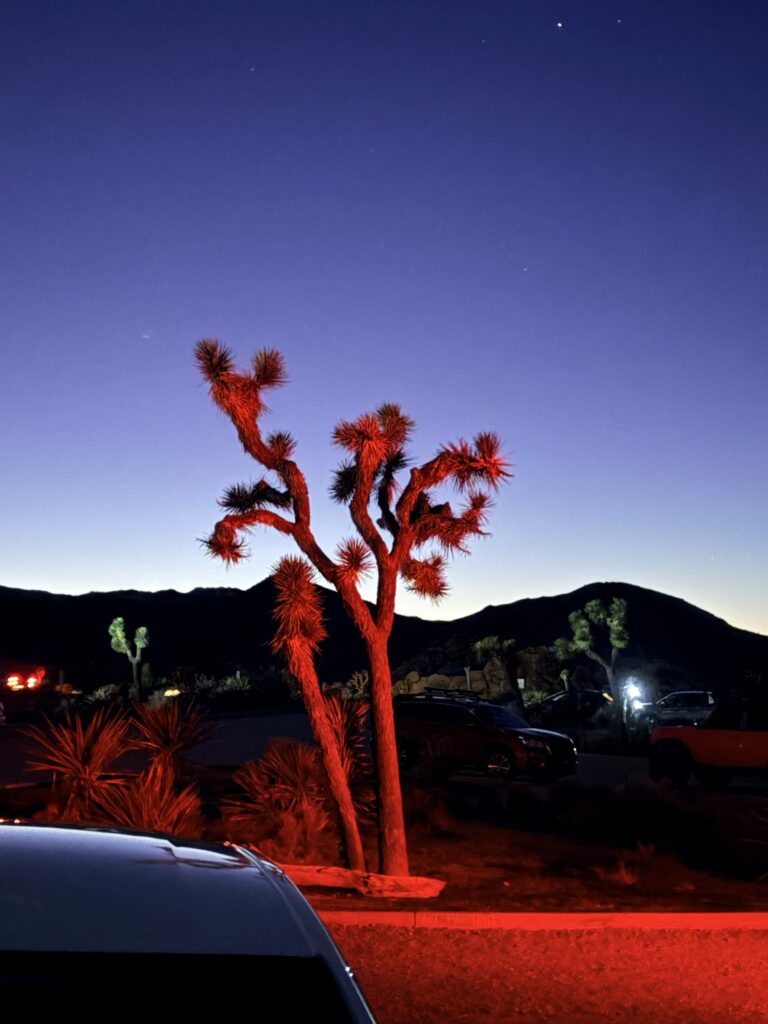
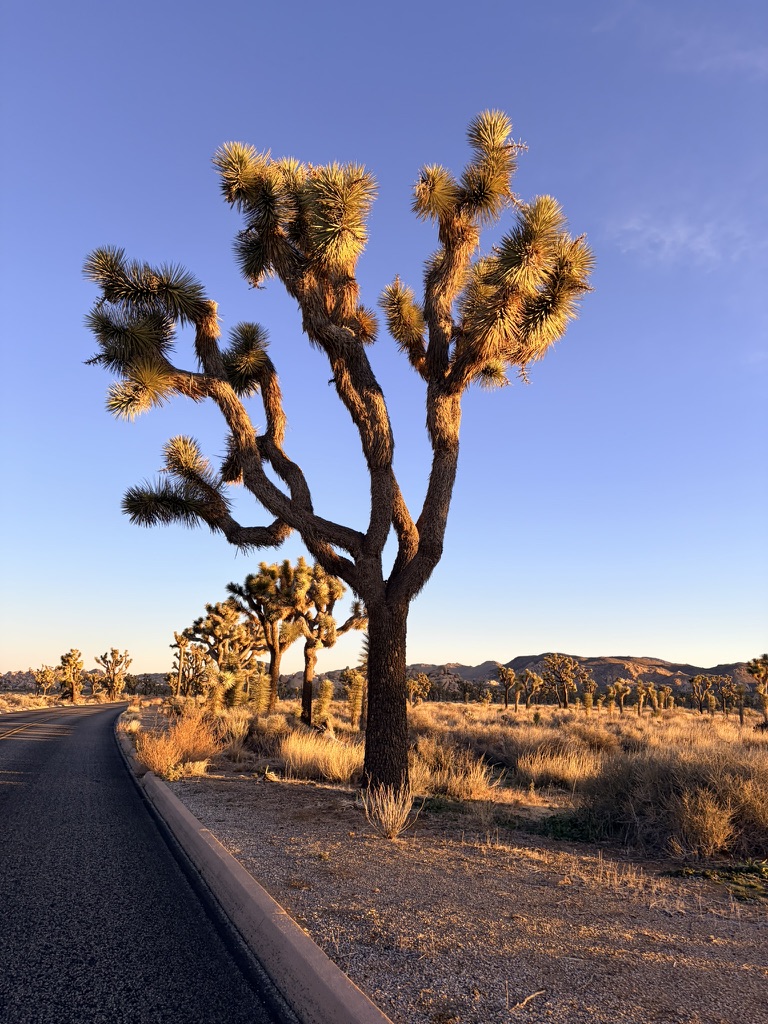
Technically, you can see a huge amount of the park in a single long day. But we’ve found it’s genuinely easier to book something nearby, even just for one evening, than to drive back late after a full day outdoors and a stretch of stargazing. There’s a real, sneaky exhaustion that sets in after a day of hiking in dry desert air, and doing that drive home at 10 p.m. instead of just driving up to an Airbnb ten minutes away is worth whatever the extra cost is. This is doubly true if stargazing is part of your plan, which honestly, it should be!! My FAVORITE part of this desert national park is how quiet some parts of it can get (truly, I have never heard a silence like this park can be… no cars, no wind, it’s almost a ringing in your ears, but it’s so cool!) and how pretty the stars can be. You can’t see the Milky Way exactly, but it’s nice.
Stargazing!!!
Joshua Tree is a certified Dark Sky destination, and if you’ve only ever seen a night sky from a city, the version out here will genuinely stop you mid-sentence. We always bring the SkyGuide app (not sponsored lol), which uses your phone’s camera to identify constellations and planets in real time just by pointing it at the sky, and it turns a casual “wow, stars” moment into an actual, guided experience. Bring a blanket to sit on, get away from any artificial light near your rental, and give your eyes at least fifteen minutes to fully adjust before you judge how much you can actually see!
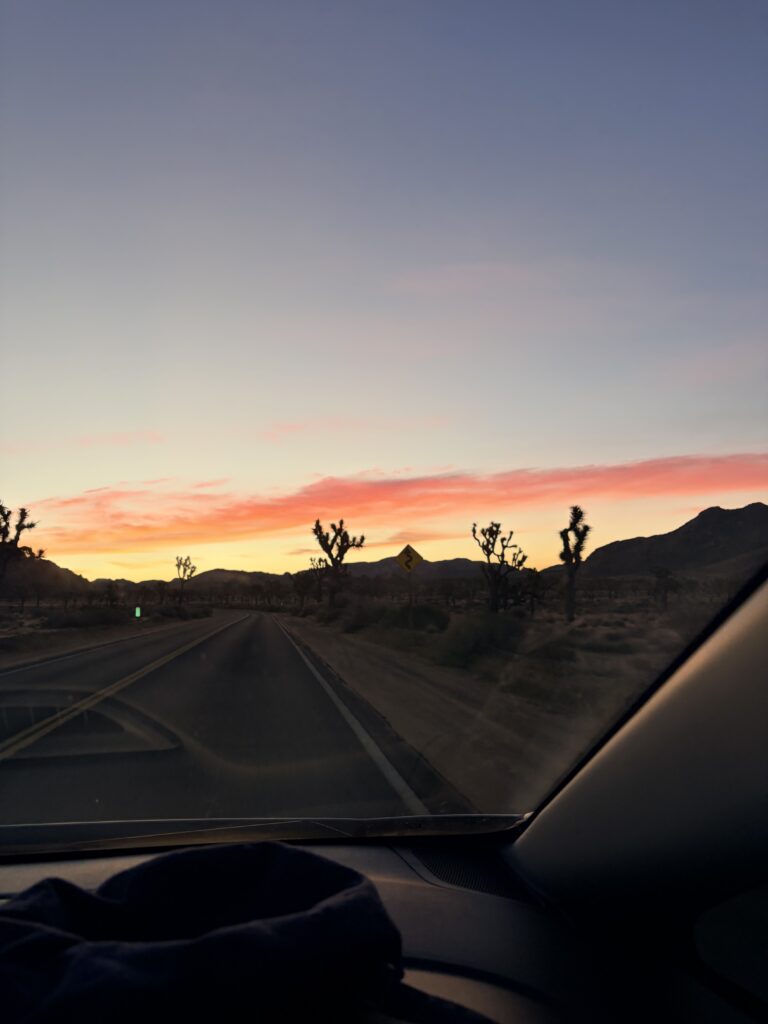
The cold catches people off guard, including ME, every single time
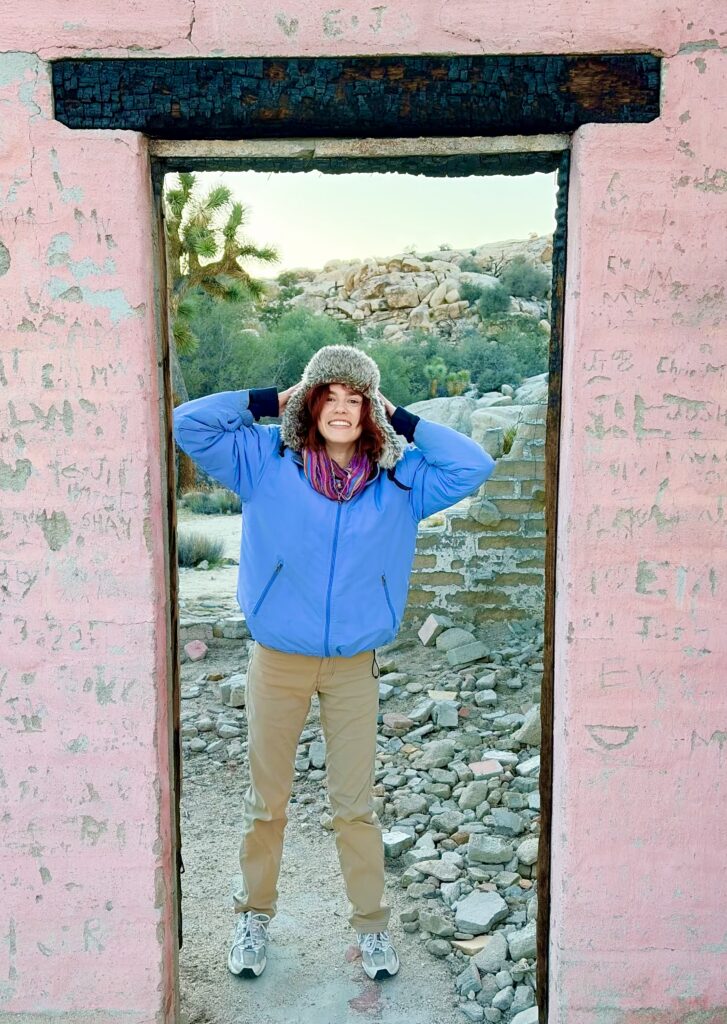
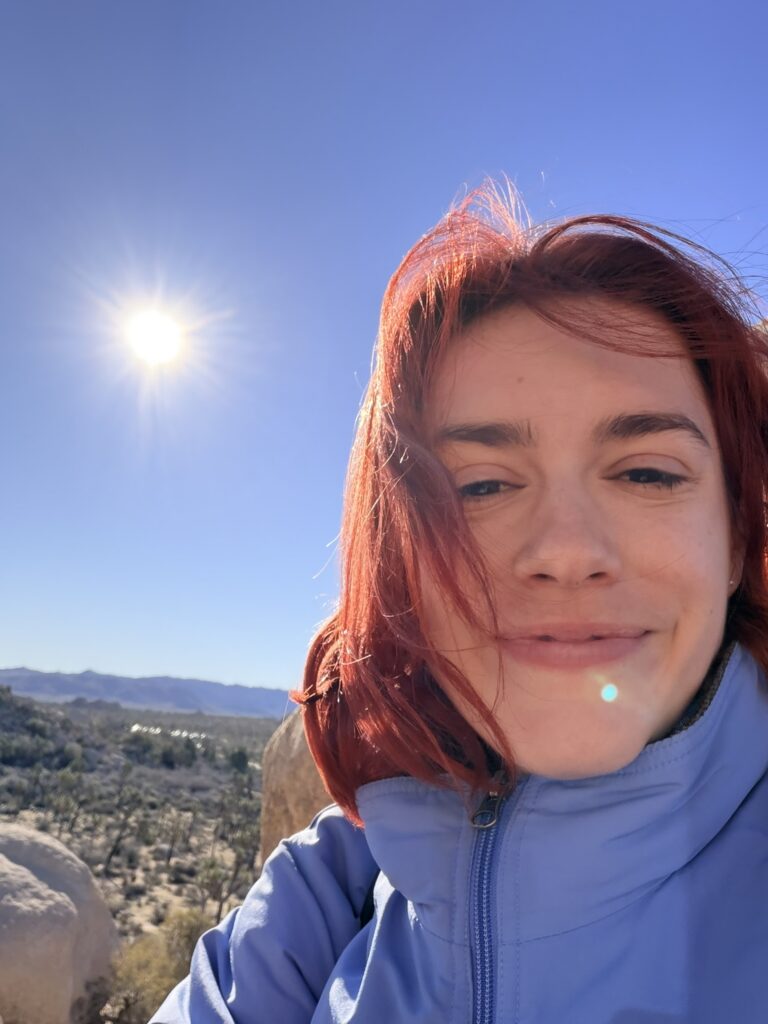
Here’s the thing nobody warns you about enough: December in the desert gets legitimately cold, especially once the sun drops. We don’t usually run cold as a group, and most trips, jeans and a sweater are genuinely enough. But our last trip, the ground had frosted overnight, and even in pants and a hoodie we were freezing by the time we’d been out for twenty minutes of stargazing. Pack like you might need more than your instincts tell you to. A beanie and a windbreaker take up almost no space in a bag, and having them on the one night you actually need them is worth the extra half pound of luggage.
Hikes, sorted by what you’re actually there for
First off, download offline maps on Google or something similar to make your life easy. There is no internet here- it’s a national park, y’all.
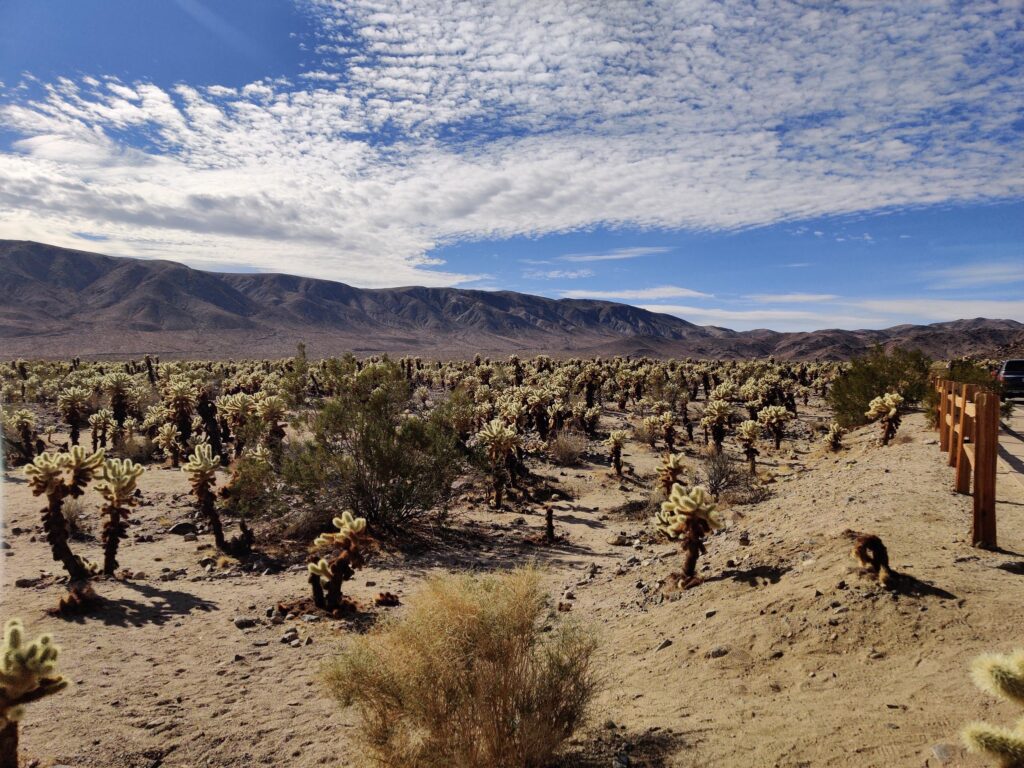
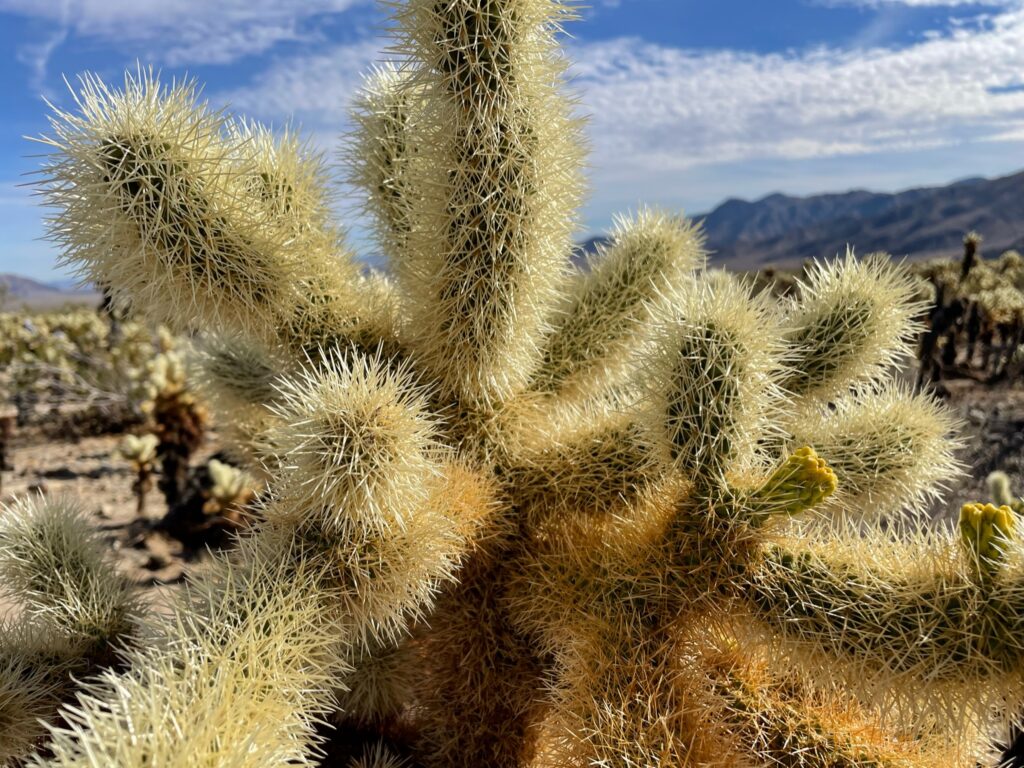
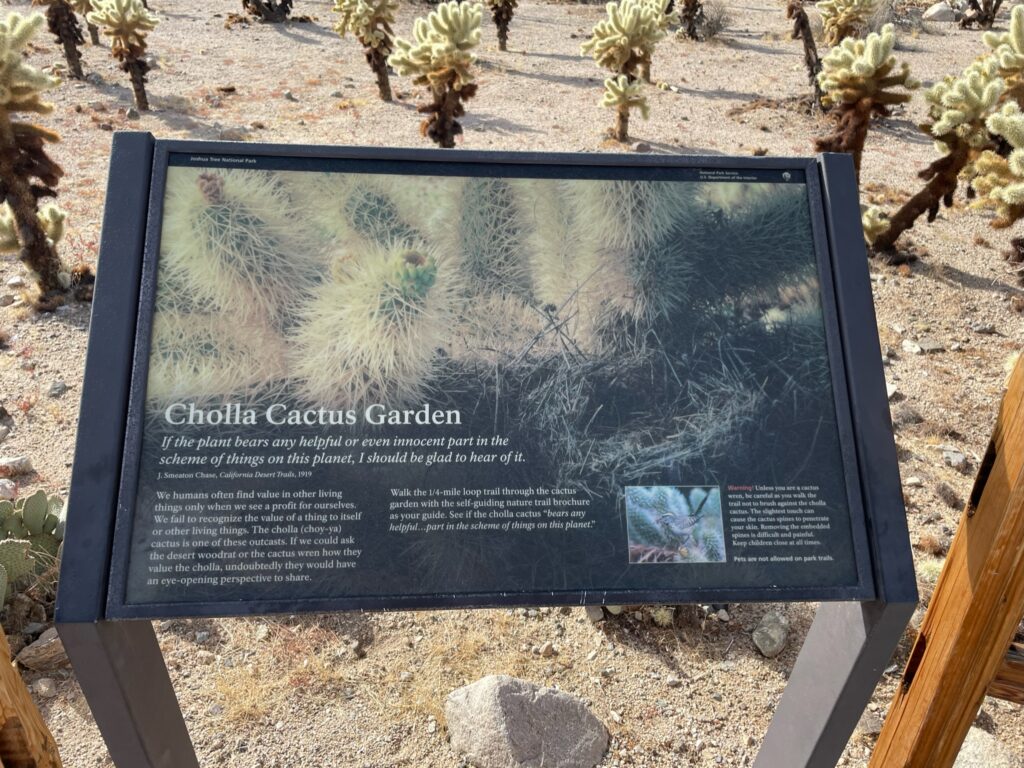
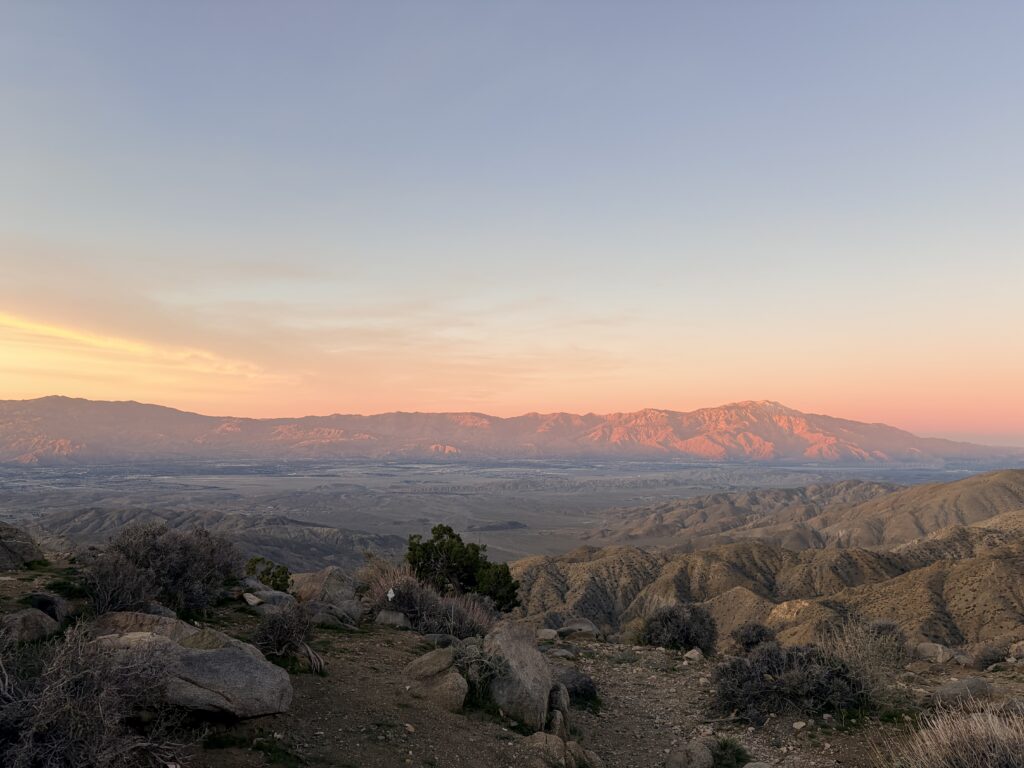
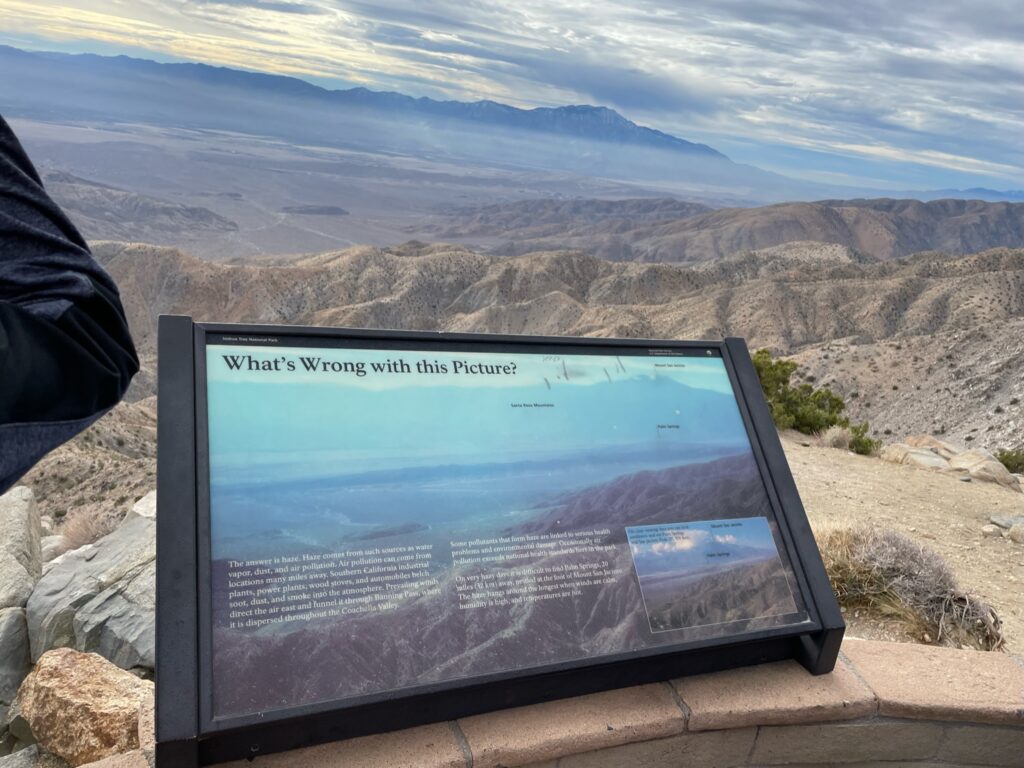
For sunset views: Keys View is the easiest win, a short drive right up to a parking lot with a sweeping overlook toward the Coachella Valley and, on a clear day, all the way to the Salton Sea. It requires basically no hiking, which also means it gets genuinely packed at golden hour, so get there thirty to forty minutes before sunset to actually get parking. If you’re doing Keys, you may as well also do Lost Horse Mine, which is an unshaded out and back hike. If you want the view with fewer people around, Ryan Mountain is the better call: a real, moderate climb, but the payoff is a full panoramic summit view with a fraction of the Keys View crowd. Cholla Cactus Garden is super pretty, lots of Cholla cactus, great for sunset pictures. Yeah, there’ll be a good amount of folks here, but this one is actually worth it in my opinion. It’s also a big space so people tend to spread out. Note that this one is deep into the park, and requires a bit of driving to get there.
 Cholla Cactus Garden
- Cholla Cactus Garden
- Cholla Cactus Garden
- Keys View
- Keys View
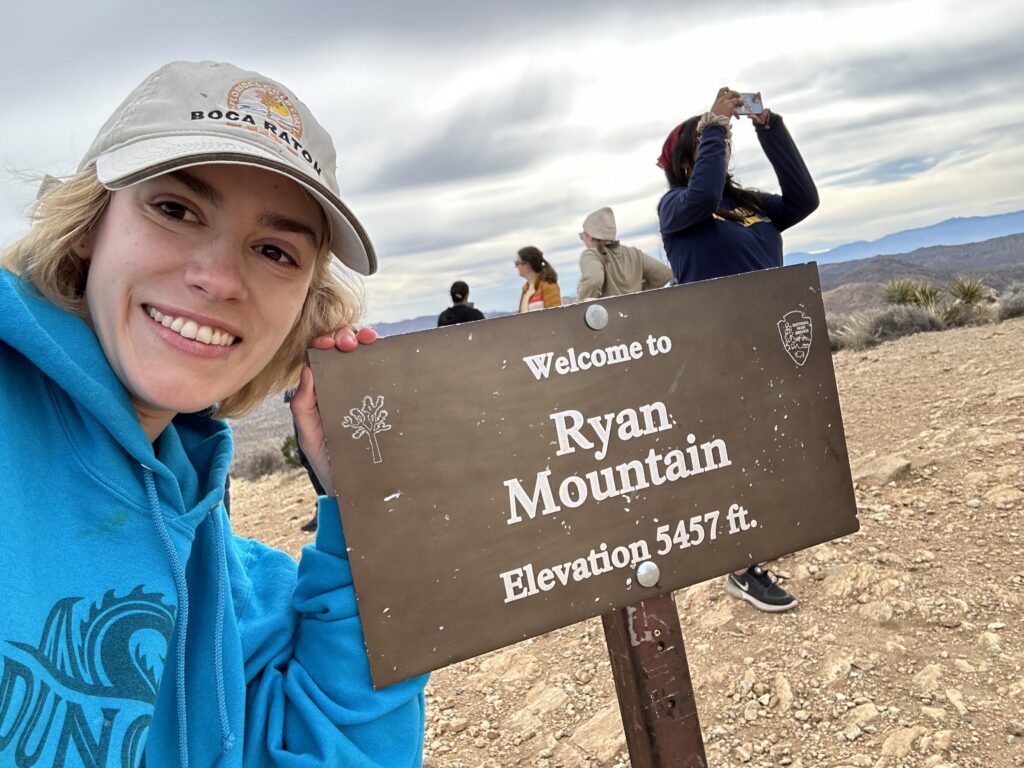
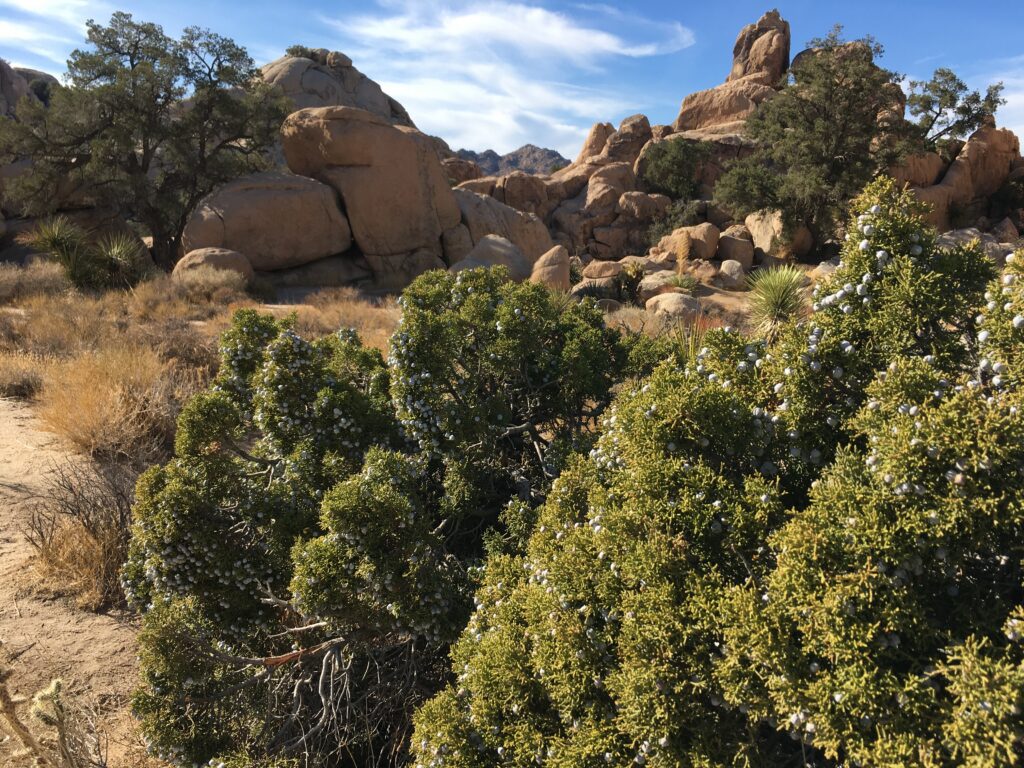
For sunrise: Ryan Mountain works here too, and doing it at sunrise instead of sunset means you’re sharing the trail with almost nobody. Hidden Valley Loop is a gentler, flatter alternative if you want early morning light without the climb, an easy mile-long loop through a boulder-ringed valley that looks completely different, and much quieter, before the day crowds arrive.
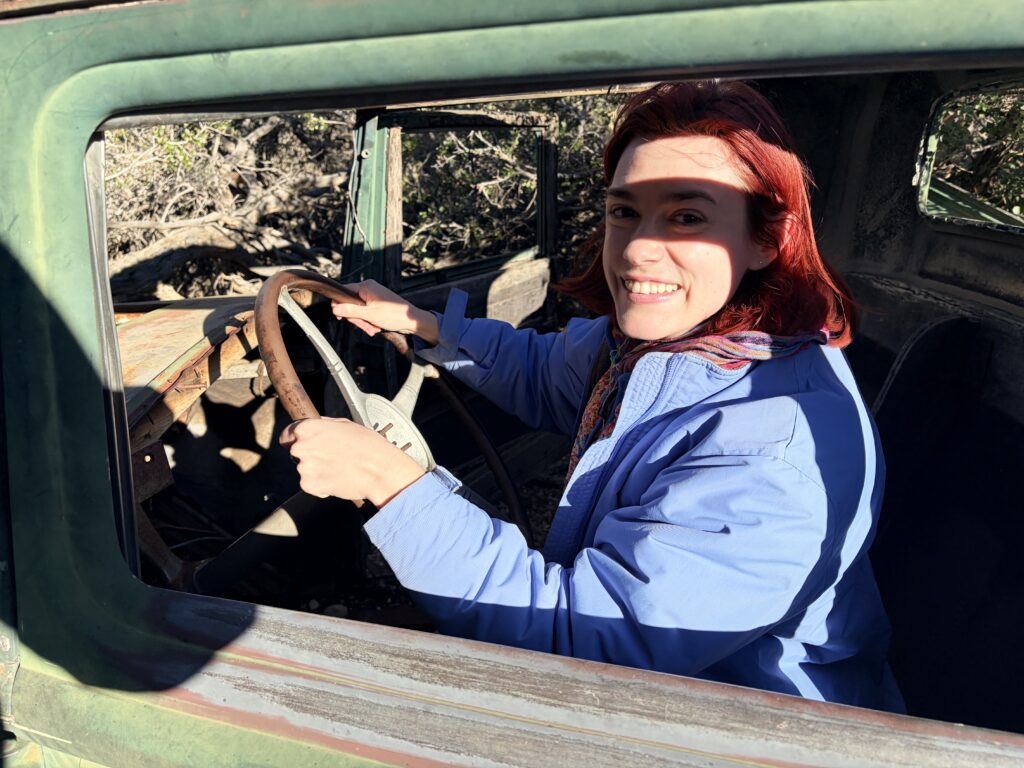
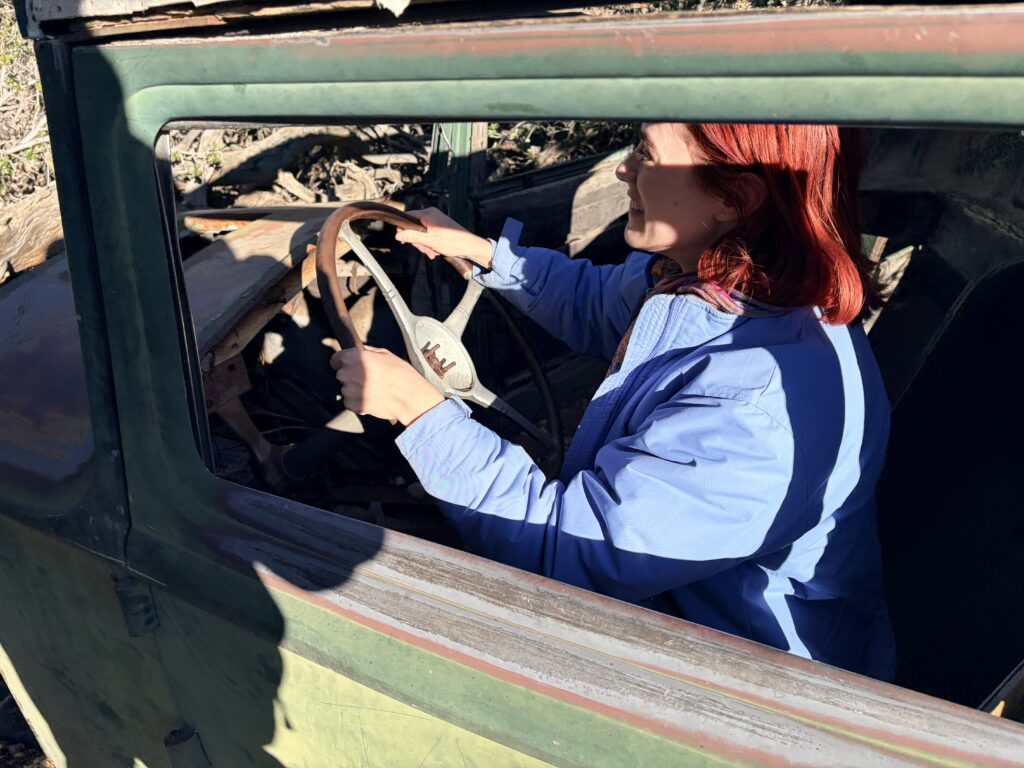
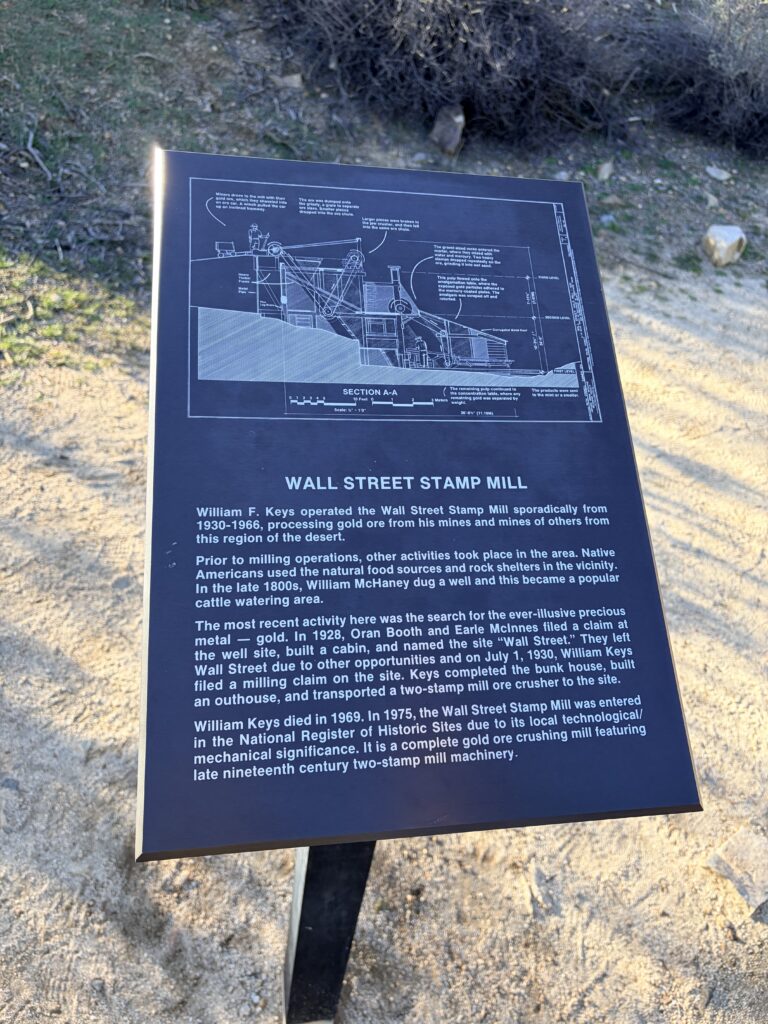
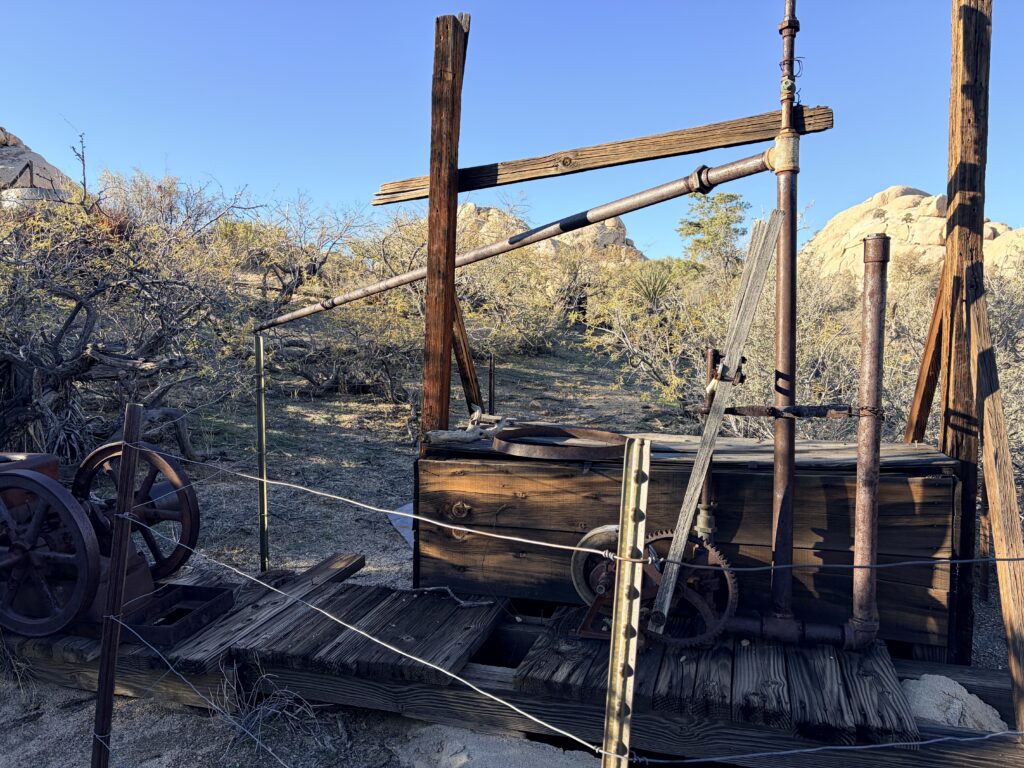
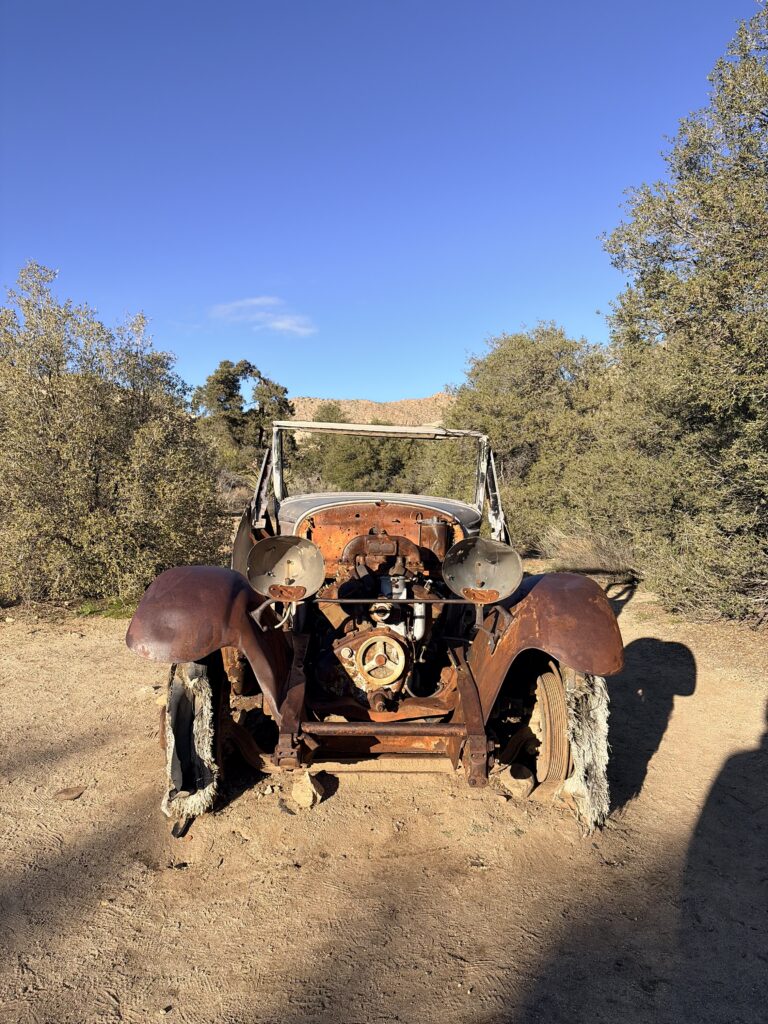
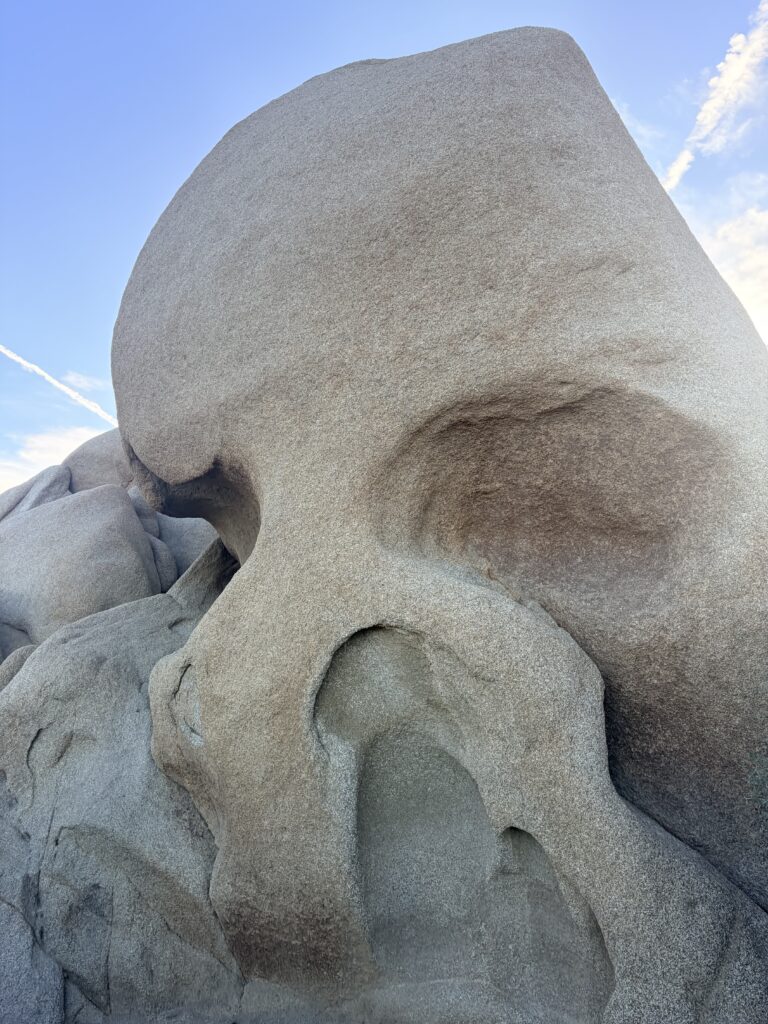
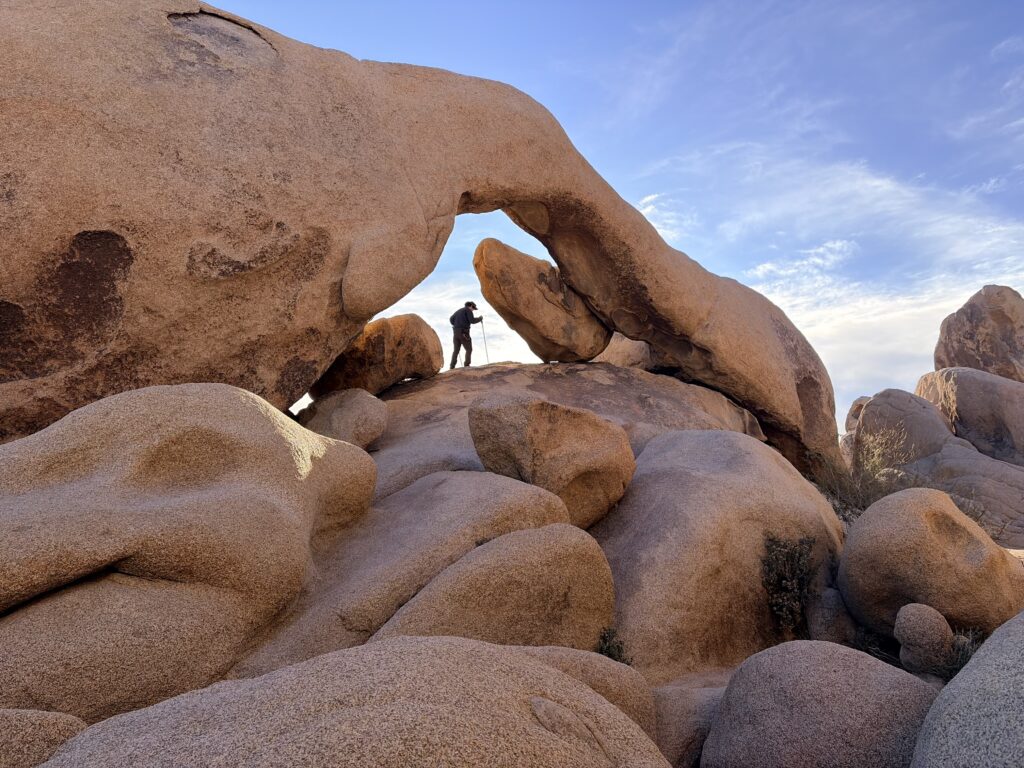
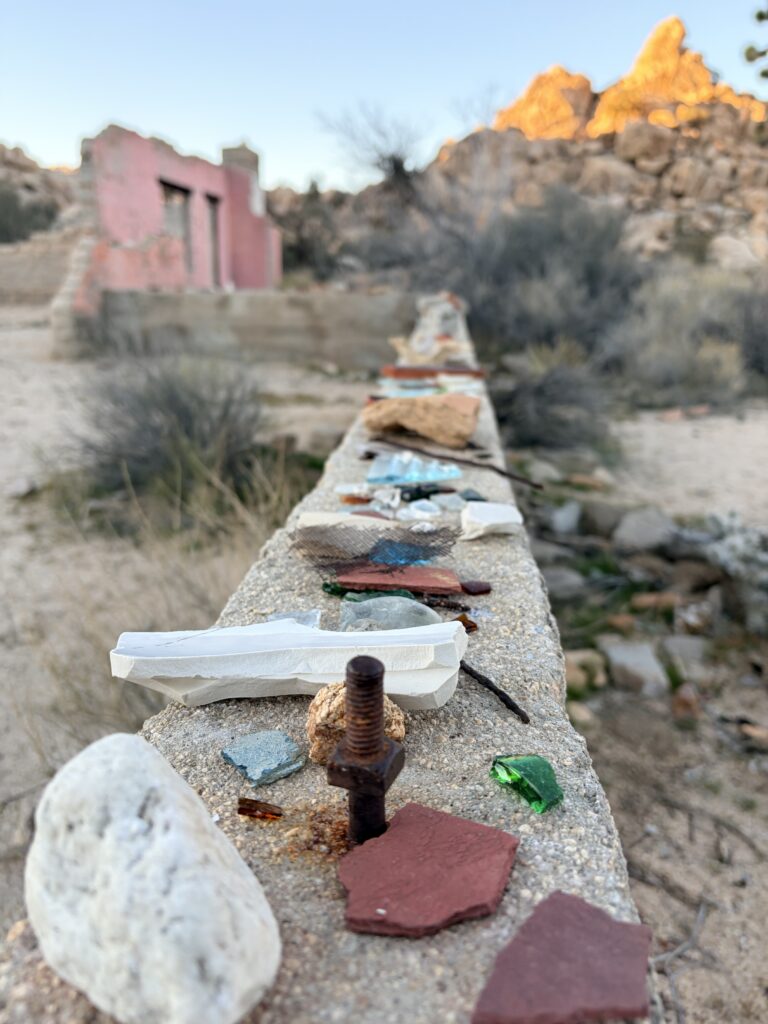
For quick, easy photo stops: Skull Rock, Heart Rock, and Arch Rock are both short walks right off the main park road, ideal if you’re working with limited time or just want a couple of easy stops between the bigger hikes. Arch Rock in particular is worth timing for early morning or late afternoon light, when the low sun makes the whole formation glow. Wonderland of Rocks and Wall Street Mill are great too, just go PAST the swarm of cars and people and go DEEPER into the park. There IS parking, trust me. Cute spot for rock climbing and seeing super old rusted cars and an old mill. It’s a generally flat, easy walk, with lots of see and do.
- Wall Street Mill
- Wall Street Mill
- Wall Street Mill
- Wall Street Mill
- Skull Rock
- Arch Rock
- Wonderland Ranch
- Wonderland Ranch
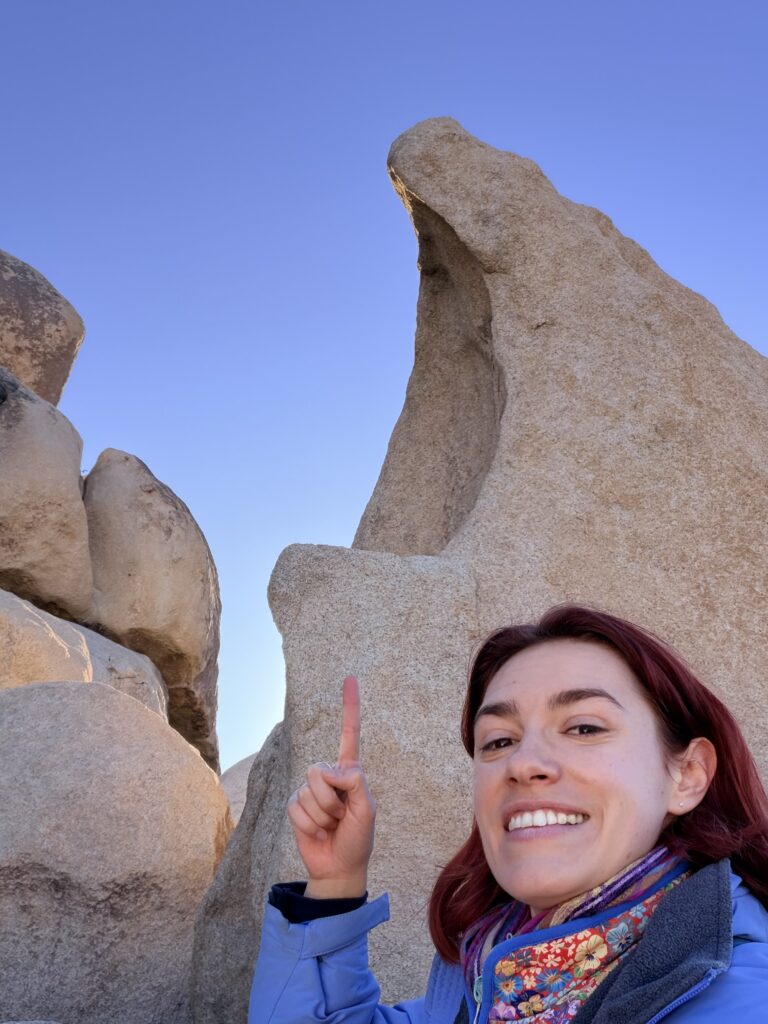
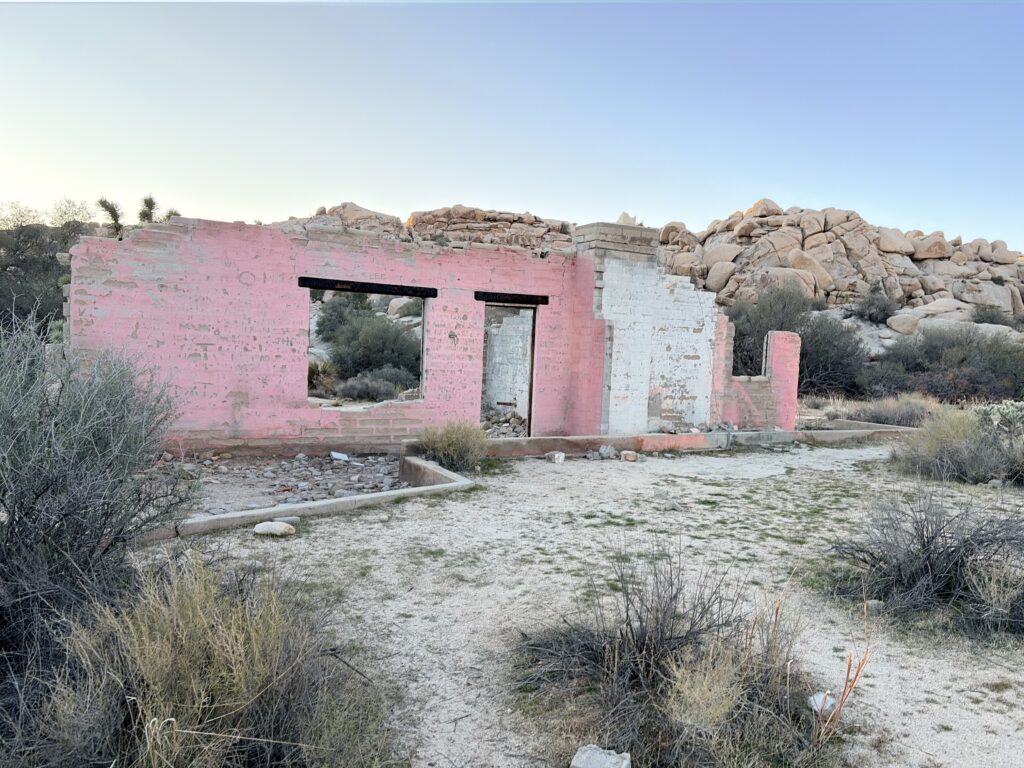
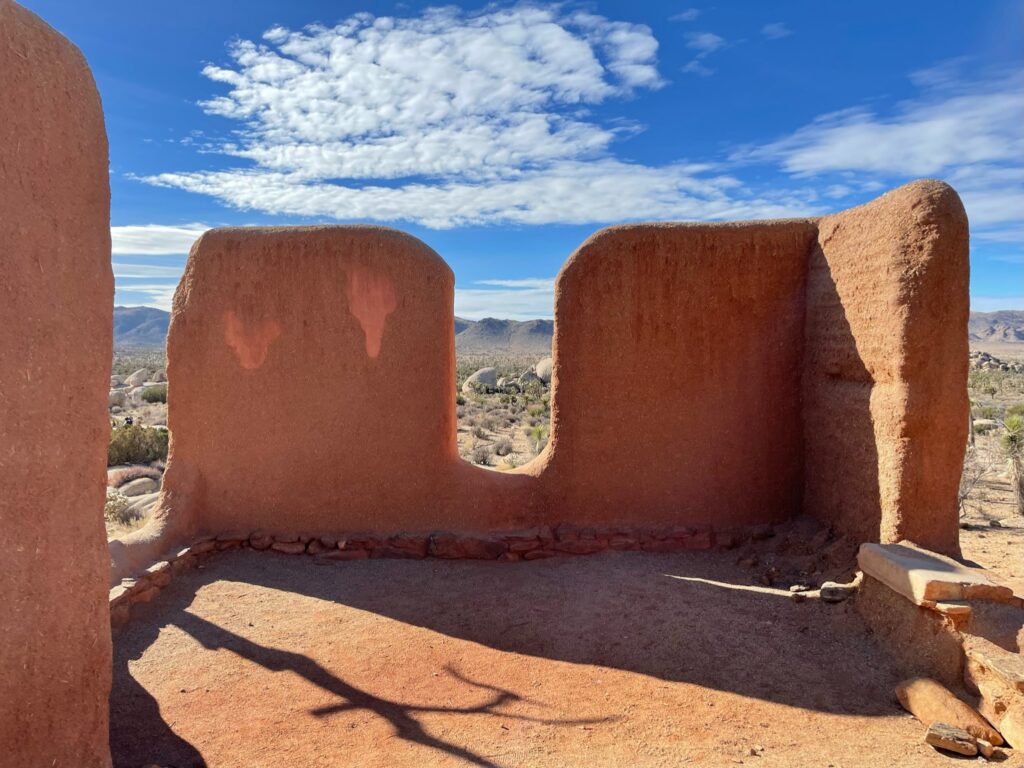
Easy-Peasy: Cap Rock, Hall of Horrors, and Ryan Ranch are not really hikes so much as photo destinations that are super easy and right next to one another, so you can honestly see them in like 30 minutes if you’re strapped for time. This also means these tend to be the most crowded places in the park. If you’ve never been, it’s worth a go, especially early in the morning to avoid crowds. Ryan Ranch is surprisingly not very packed every time I’ve gone. Cool old adobes to check out!
- Hall of Horrors
- Hall of Horrors
- Cap Rock
- Ryan Ranch
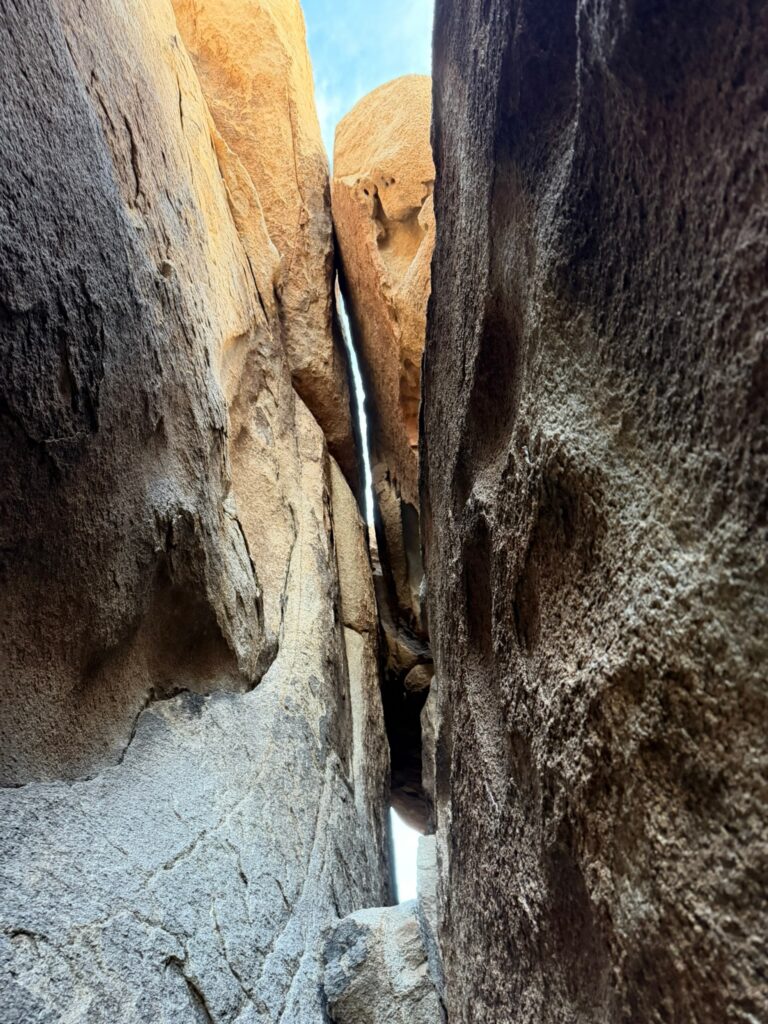
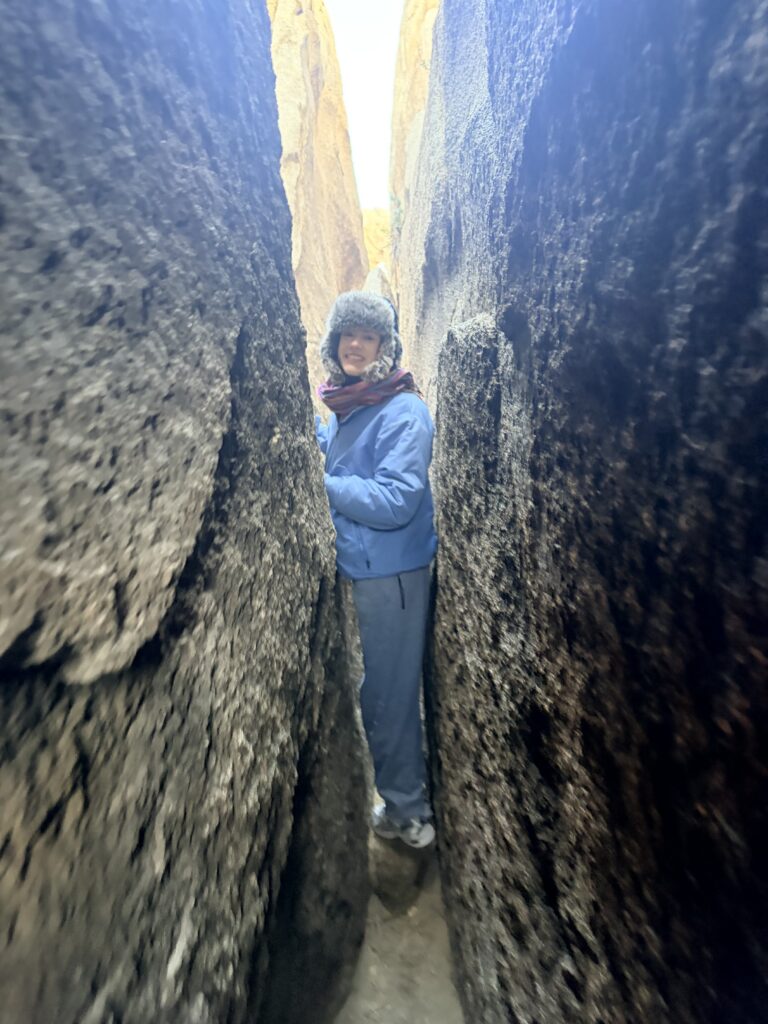
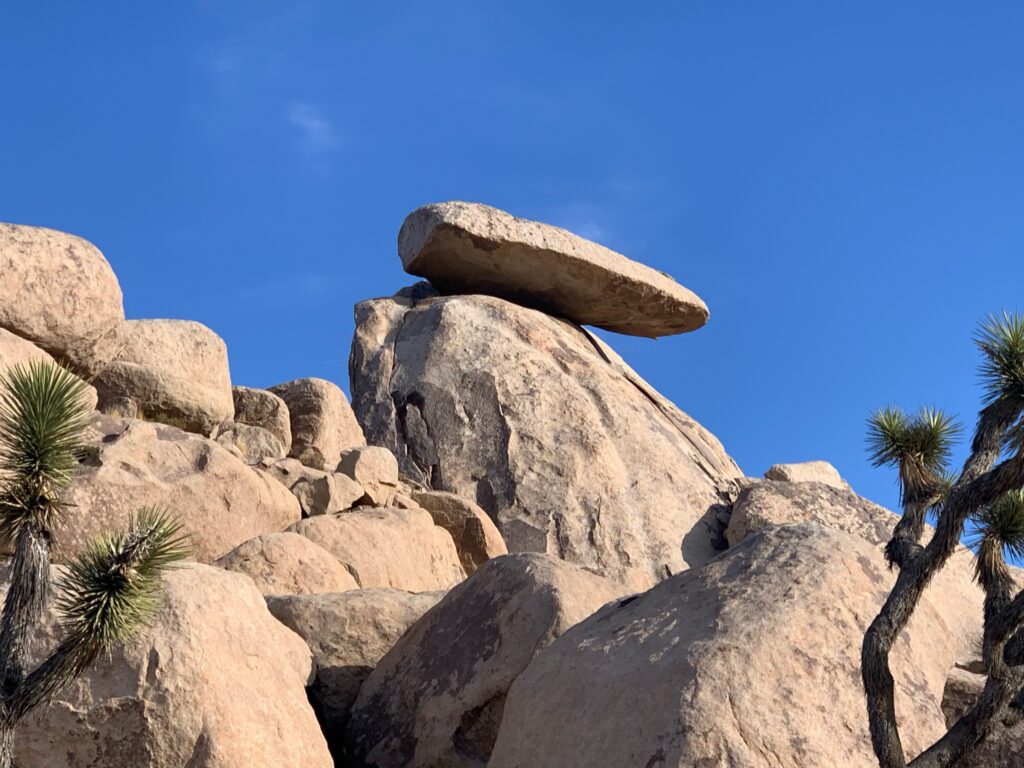
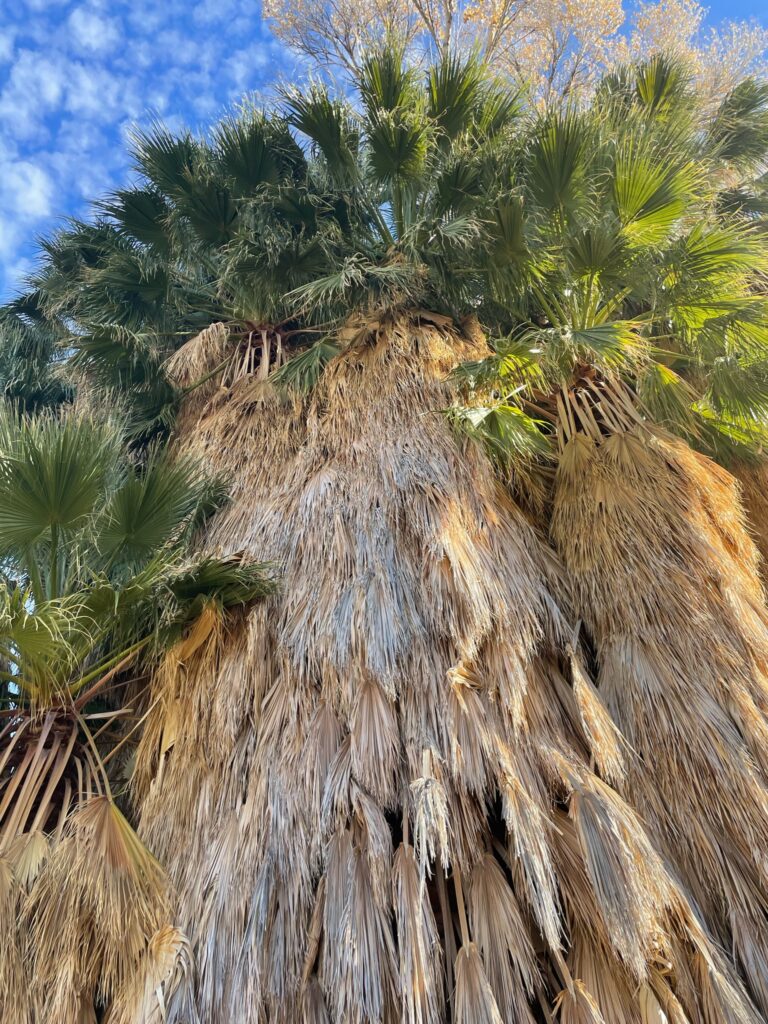
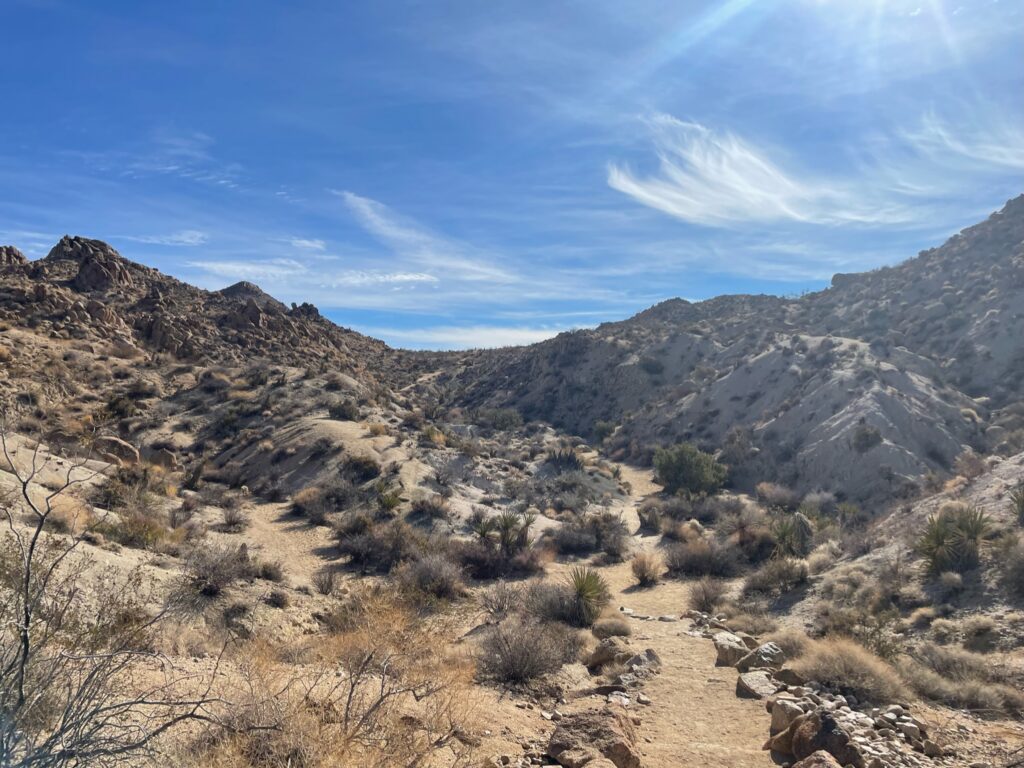
For genuinely fewer crowds: Head toward the park’s south end, near the Cottonwood entrance. Mastodon Peak and Lost Palms Oasis both see a fraction of the traffic that Hidden Valley and Skull Rock get (hence why they’re my favorite), largely because they’re farther from the main tourist corridor. If you’re up in the north end instead, 49 Palms Oasis, accessed from a trailhead near Twentynine Palms, is a solid, quieter alternative to the more crowded central park trails. Inspiration Peak is also a delight with nice sunset/sunrise views.
- Lost Palms Oasis
- Lost Palms Oasis
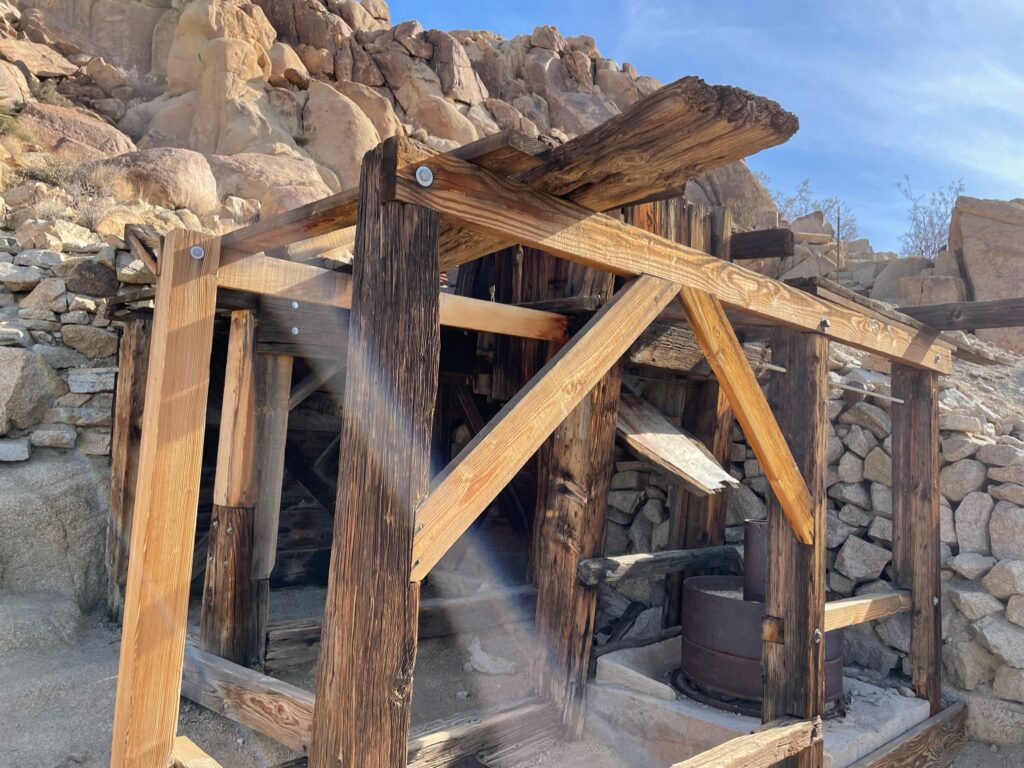
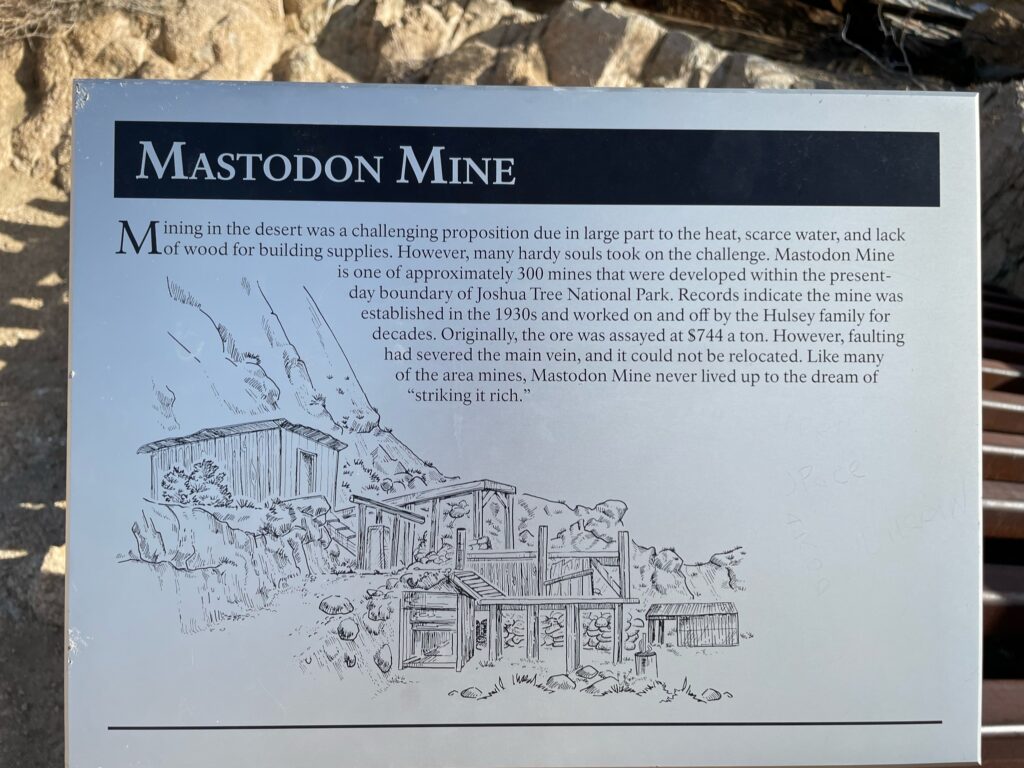
- Mastodon Peak
- Mastodon Peak
- Mastodon Peak
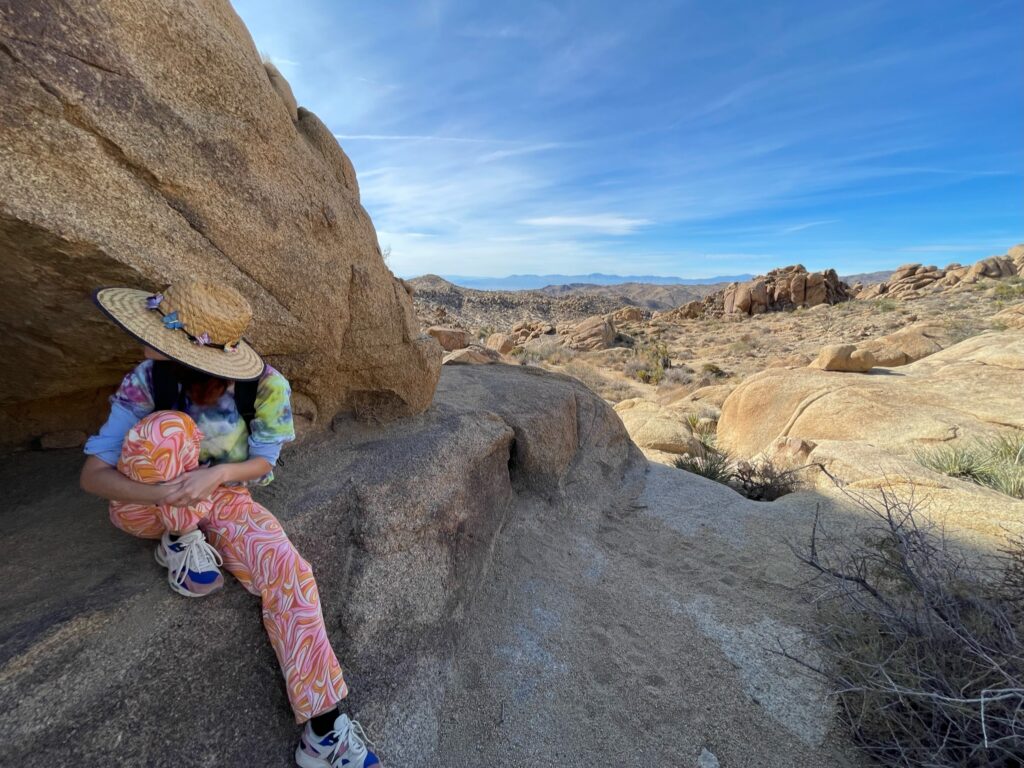
Crowd timing in general: Arrive before 9 a.m. or after 4 p.m. if you want the popular spots, Hidden Valley, Barker Dam, Skull Rock, without a packed parking lot. Midday, especially on weekends, is when everything fills up fastest.
- Barker Dam
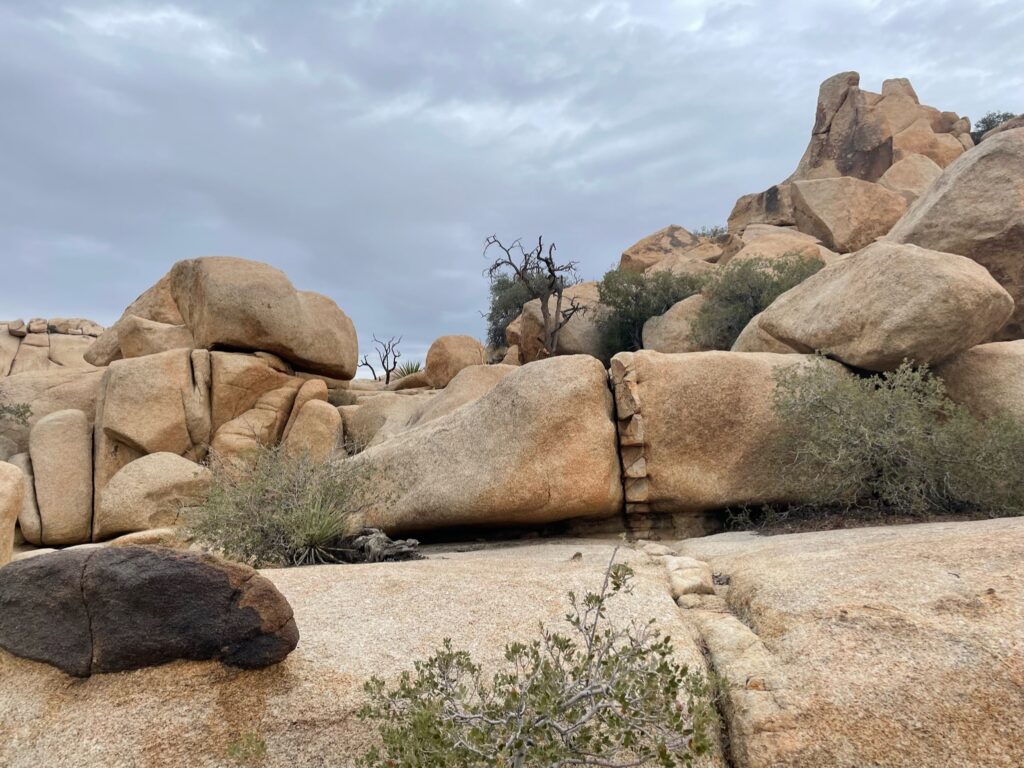
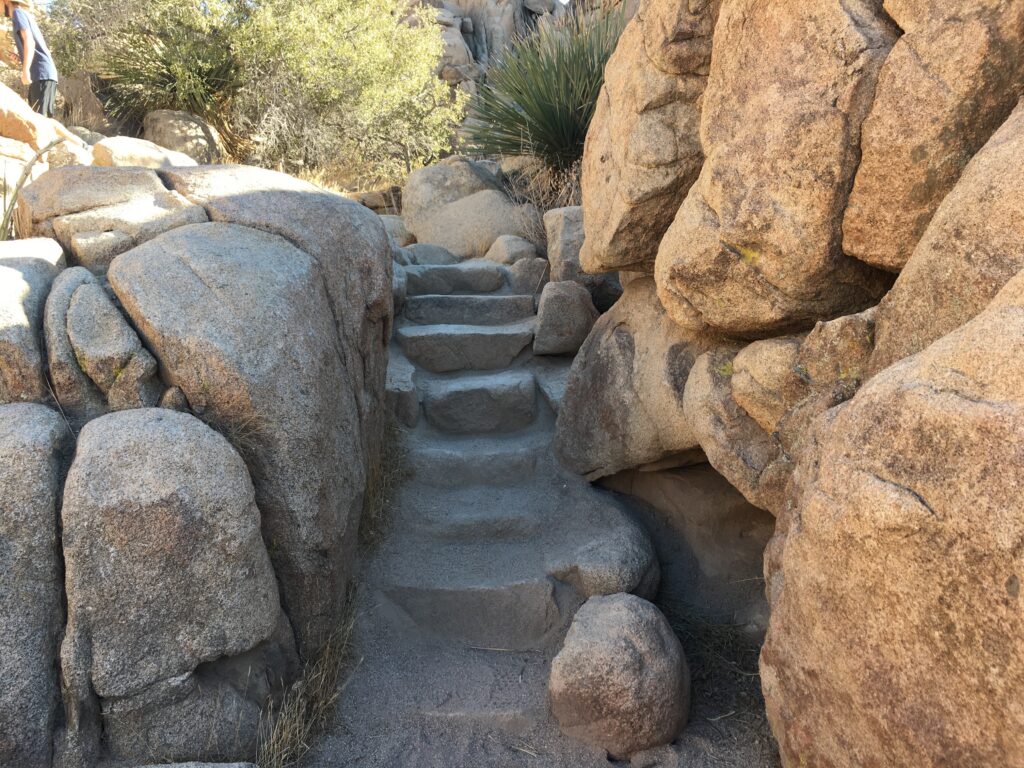
- Hidden Valley Nature Trail
- Hidden Valley Nature Trail
Parking and bathrooms
Most of the popular trailhead lots are small and fill up fast, sometimes by mid-morning on a busy weekend. If a lot looks full, don’t force a spot, there’s usually another trailhead nearby worth checking instead. Bathrooms are available at the visitor centers, Hidden Valley picnic area, Cap Rock, Keys View, and a few campgrounds, but they’re mostly vault toilets without running water, and there’s no potable water at most trailheads. Bring more water than you think you need, for drinking and for washing your hands, since the desert dries you out faster than it feels like it should.
Thrifting on the way in or out
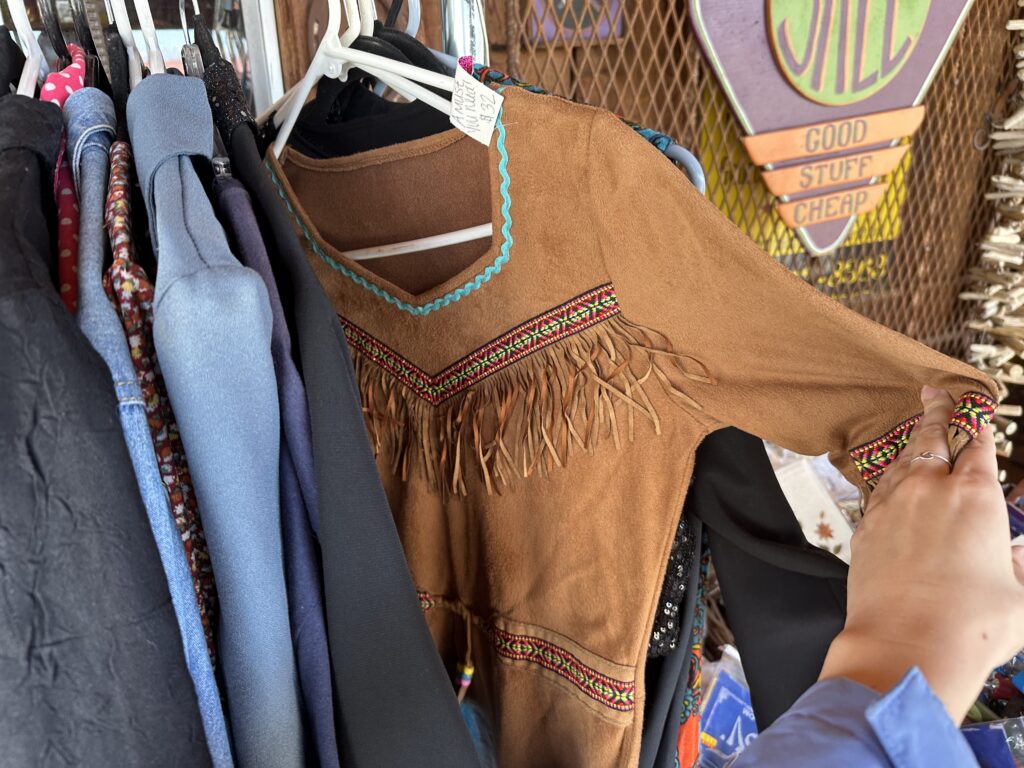
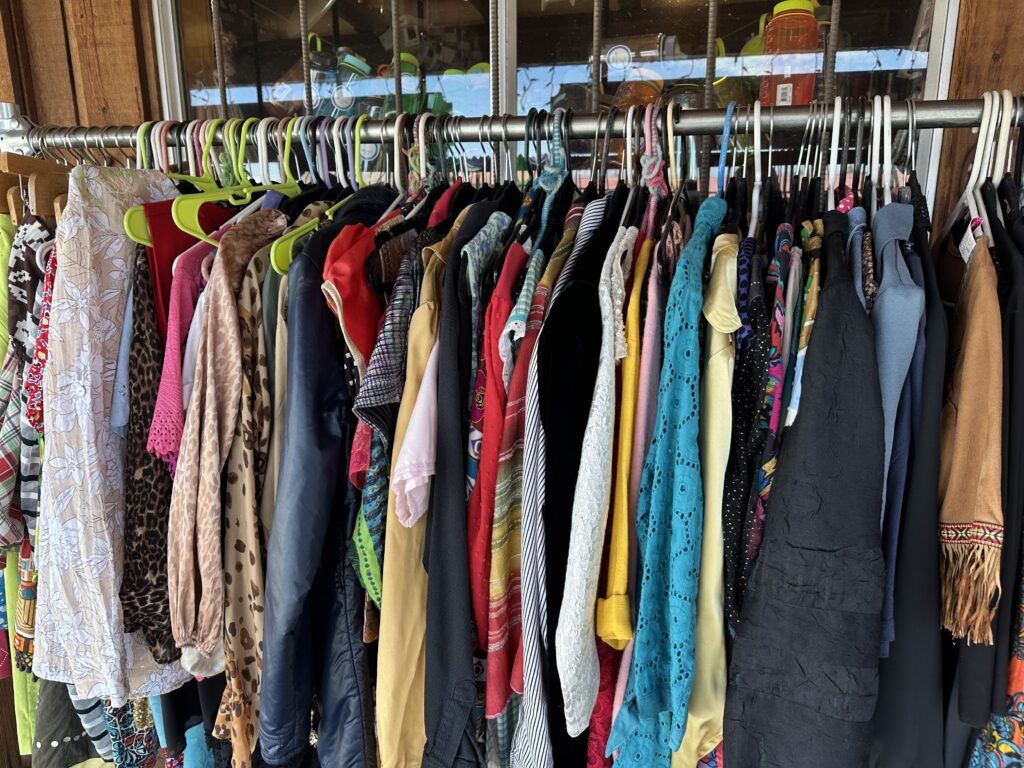
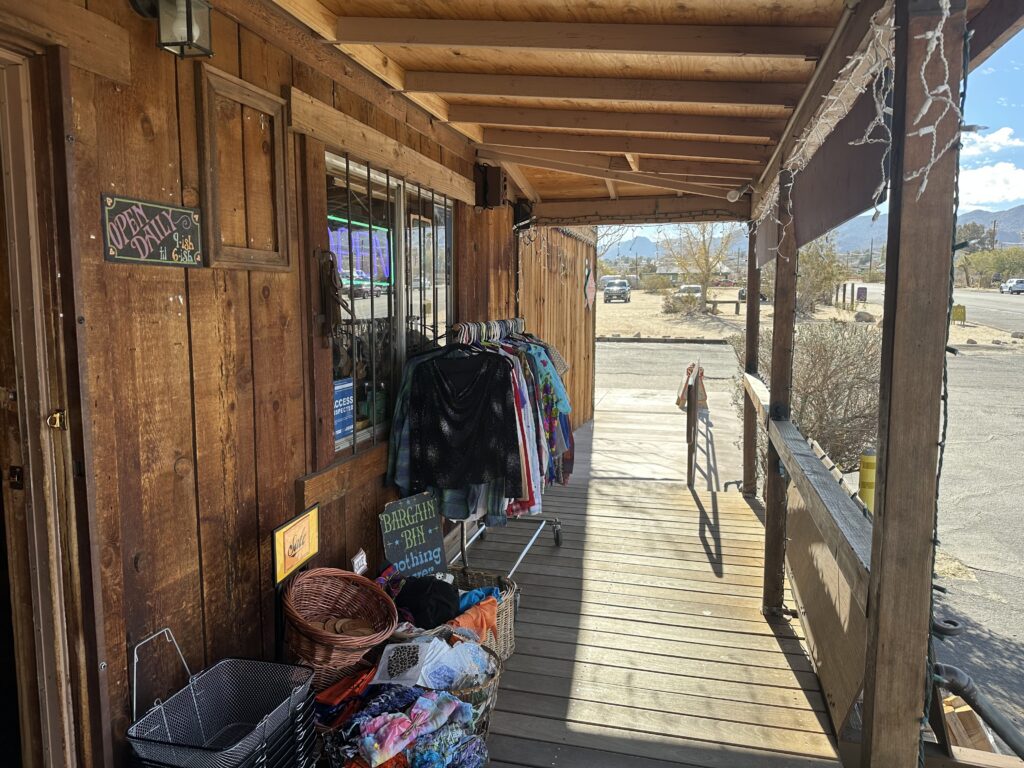
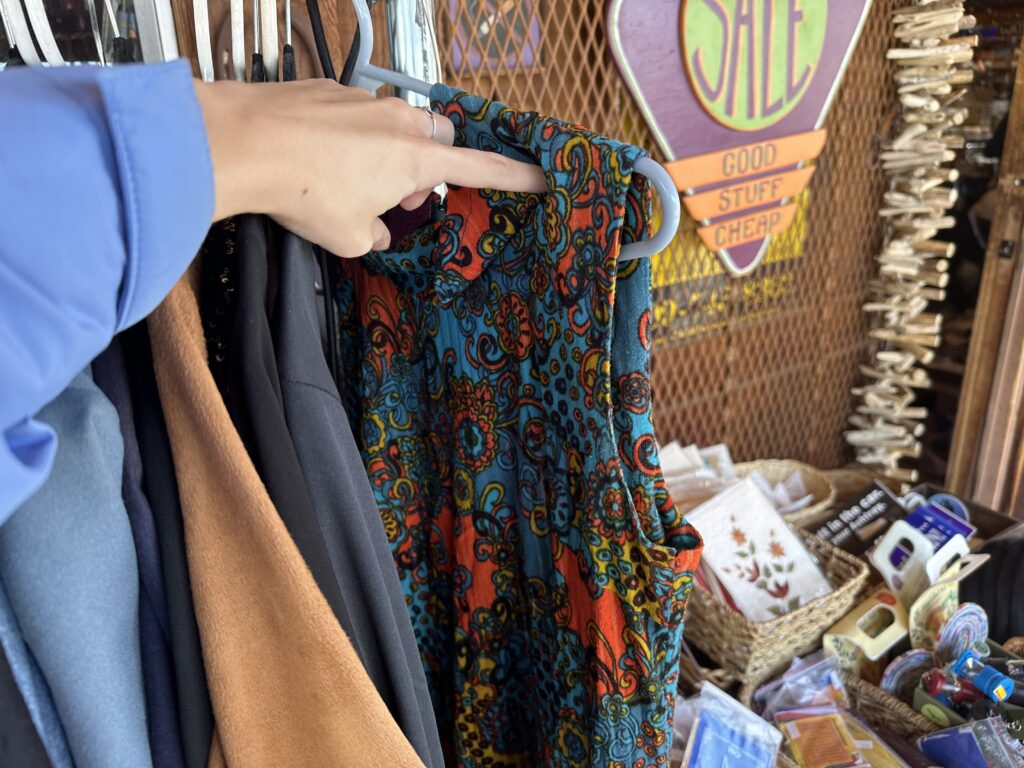
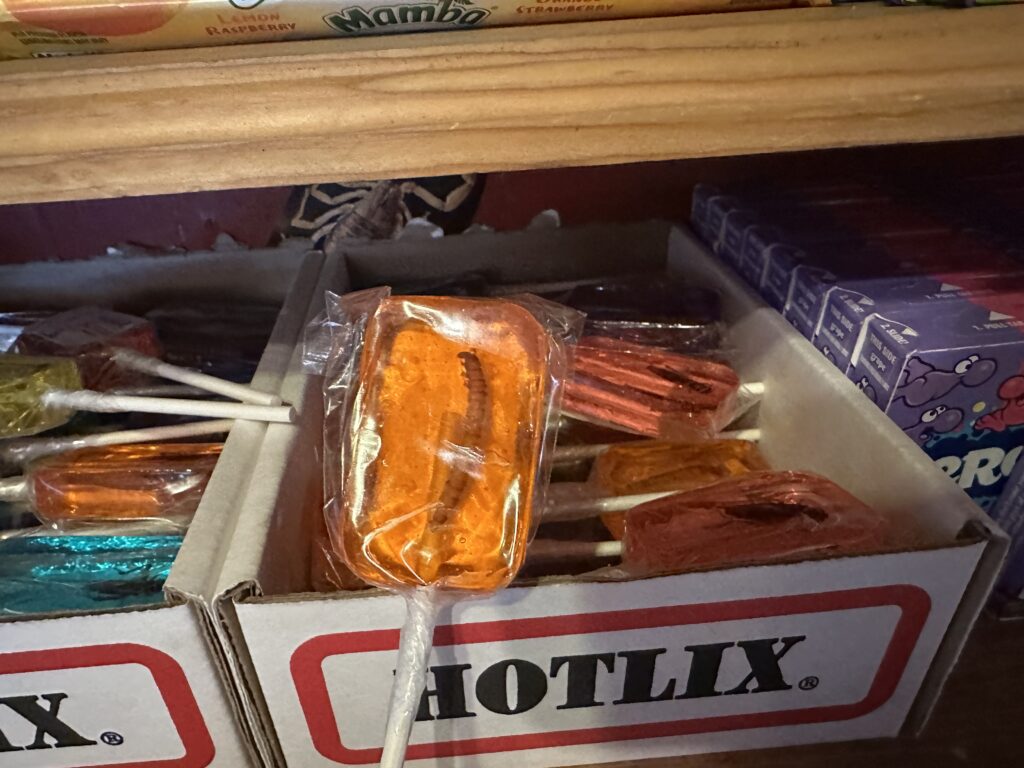

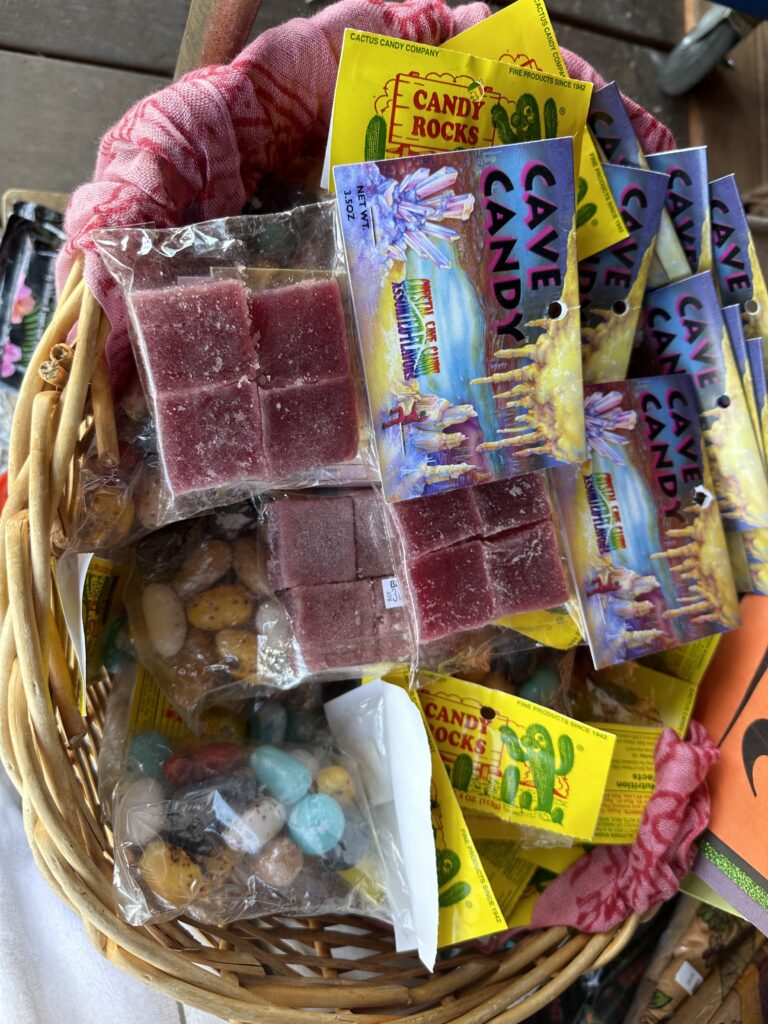
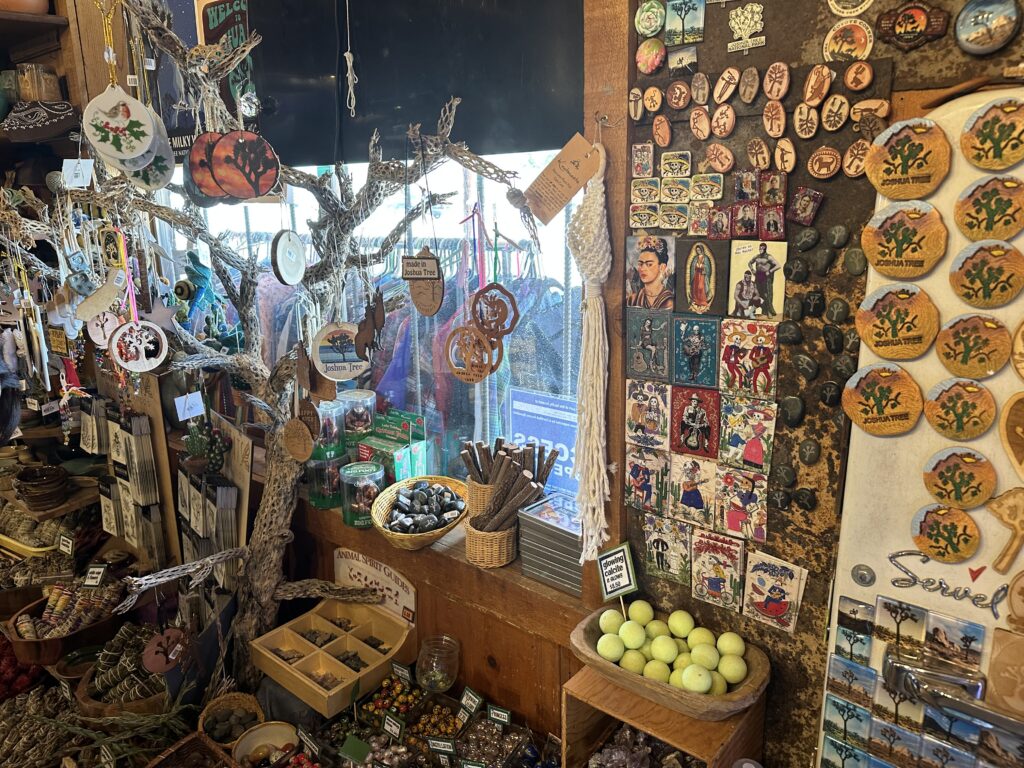
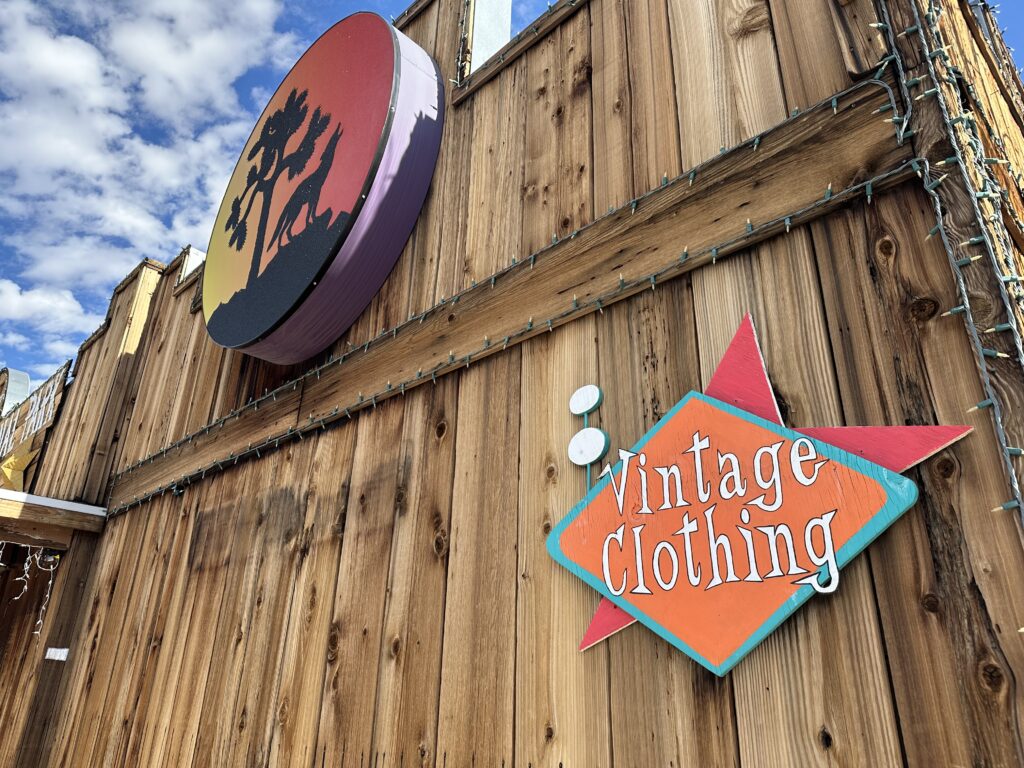
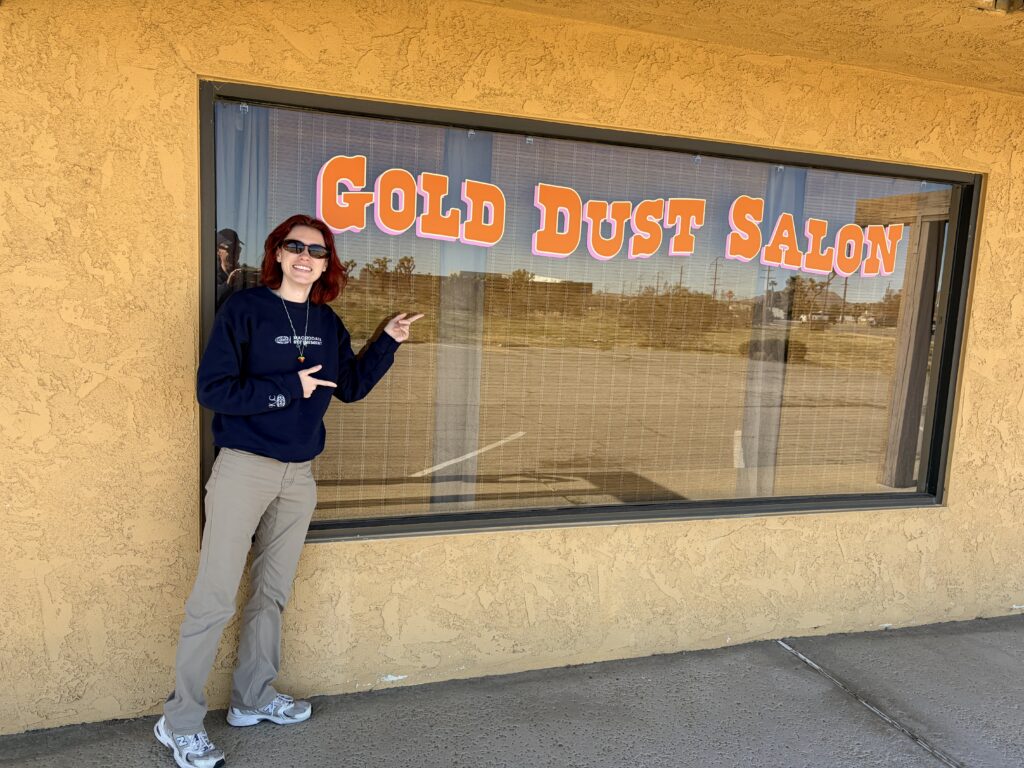
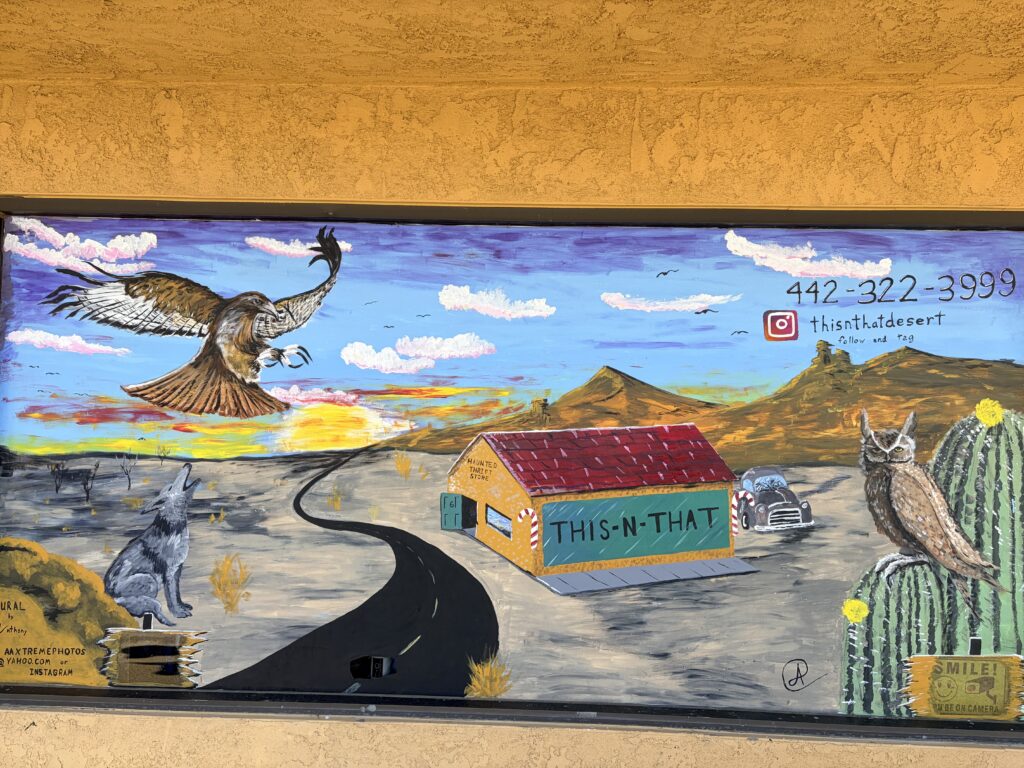
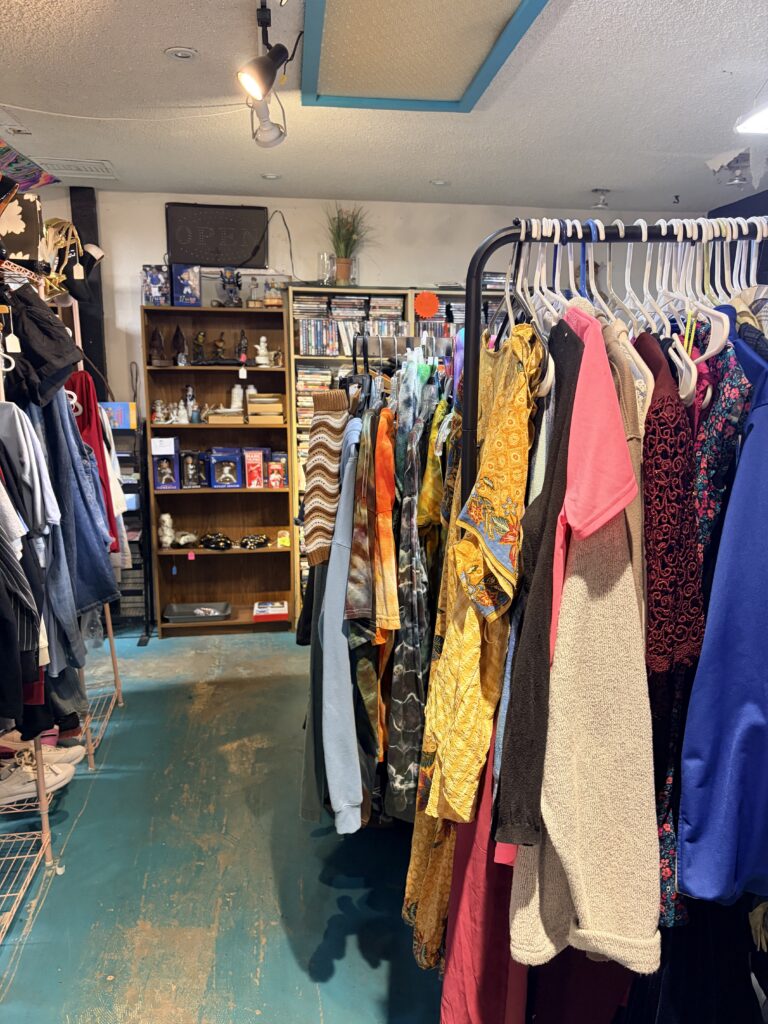
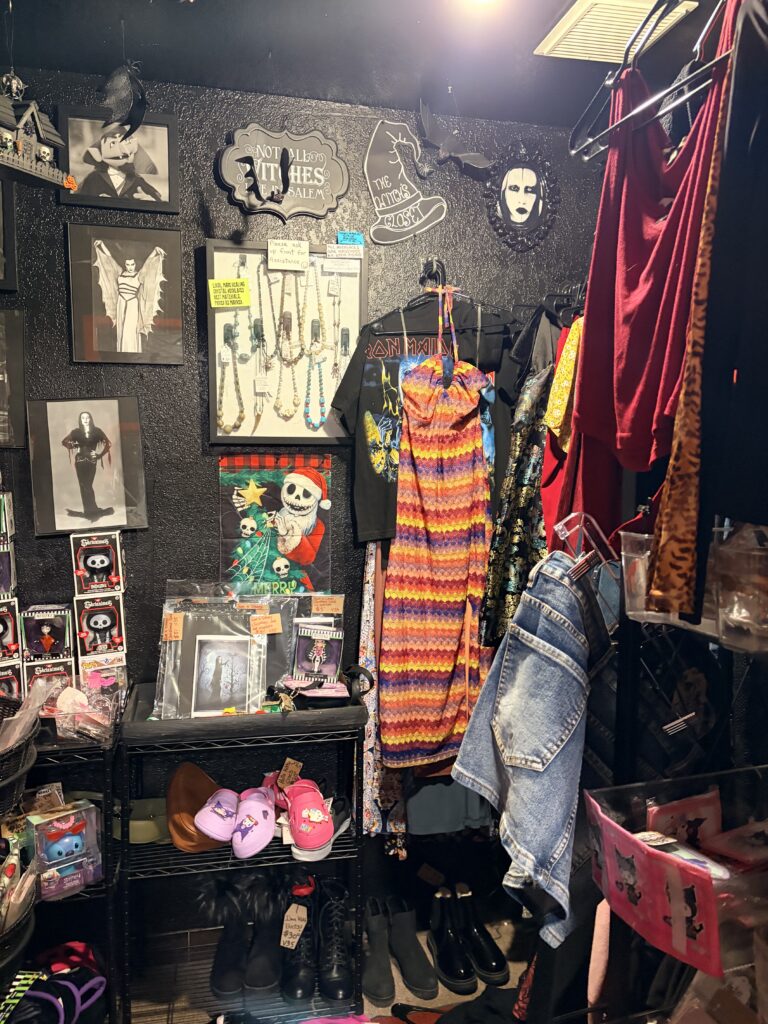
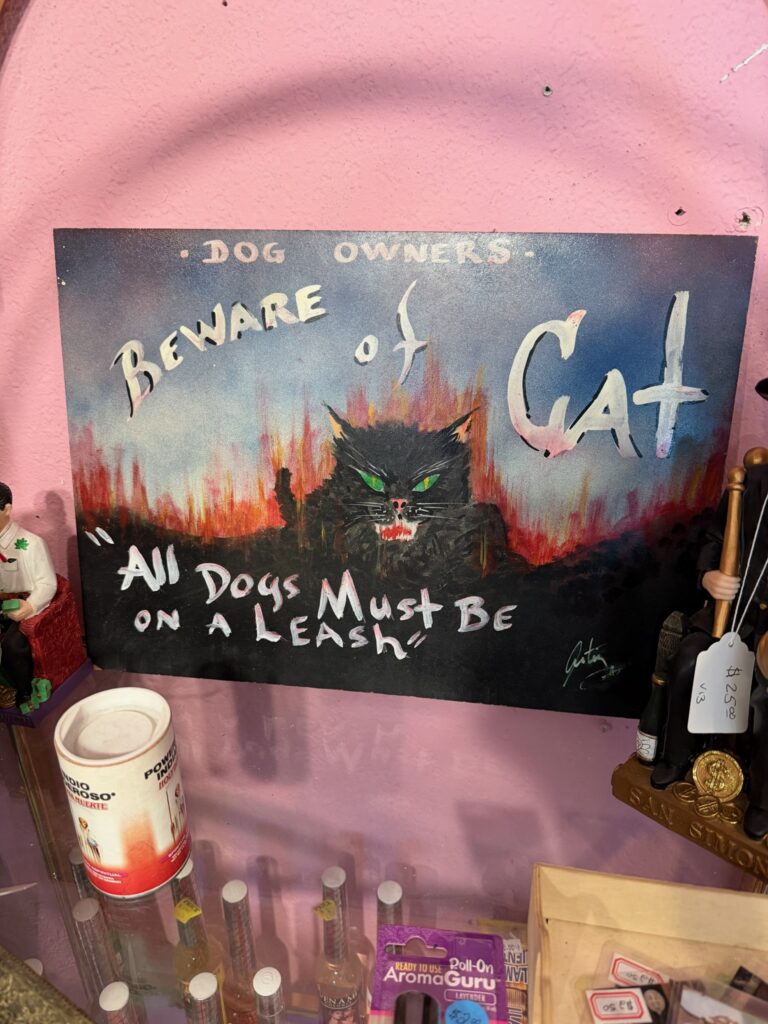
The area around Yucca Valley and downtown Joshua Tree has become a genuinely solid thrifting stretch, and it’s an easy way to fill an hour on your way in or out. If your timing lines up with a weekend morning, the Sky Village Swap Meet in Yucca Valley is worth building your schedule around, it only runs Saturday and Sunday mornings, and the best finds go early, so aim to arrive by 6:30 or 7 a.m. if you’re serious about it. For regular thrift stores, Joshua Springs Thrift Store and This N That Desert Treasures both turn up genuinely good, well-curated finds, and if you want more of a vintage boutique feel over a straight thrift bin, The End and Nitty Gritty in Yucca Valley are worth the stop, both leaning into curated vintage clothing and home goods rather than a mixed grab bag.

Where to actually eat
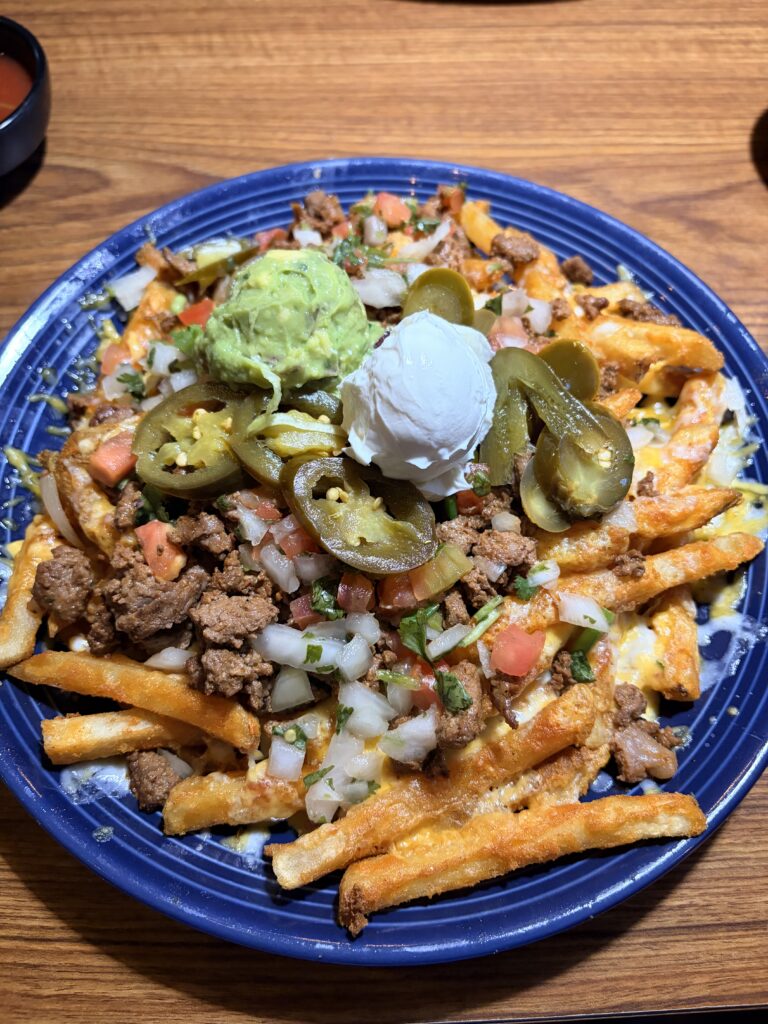
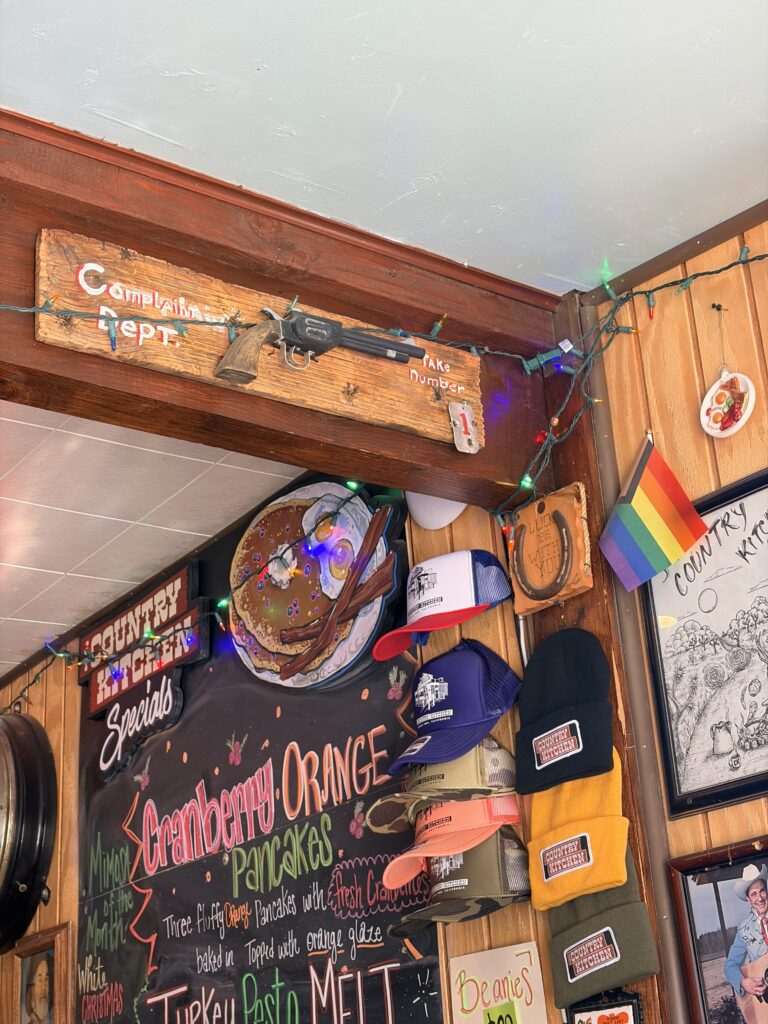
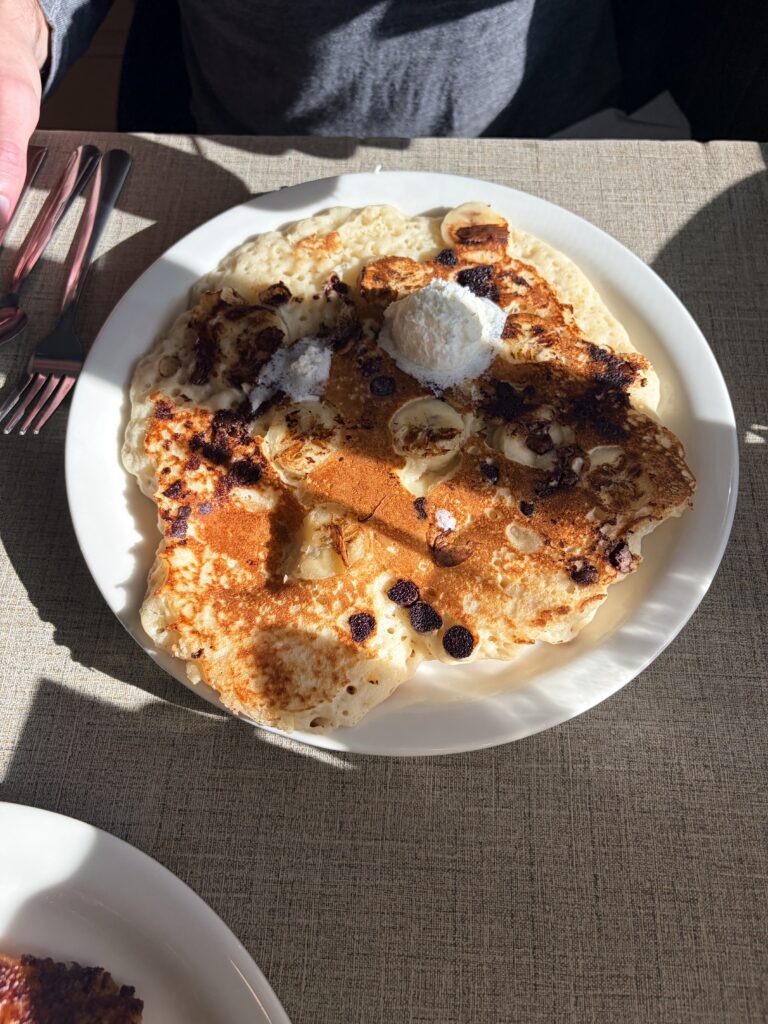
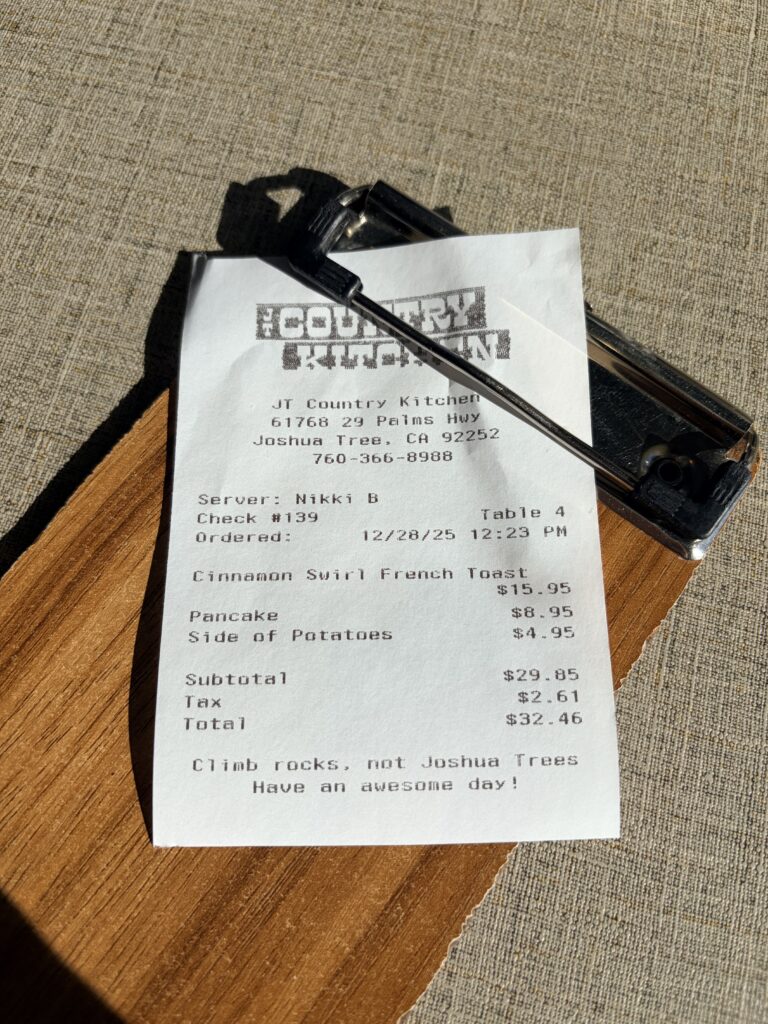
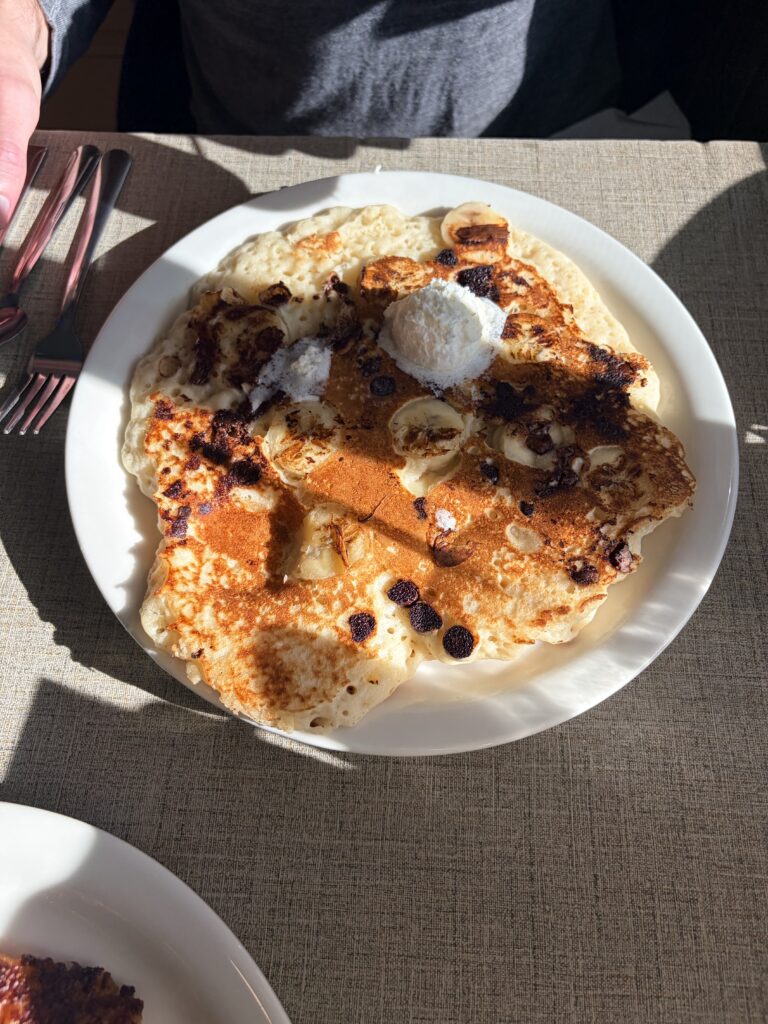
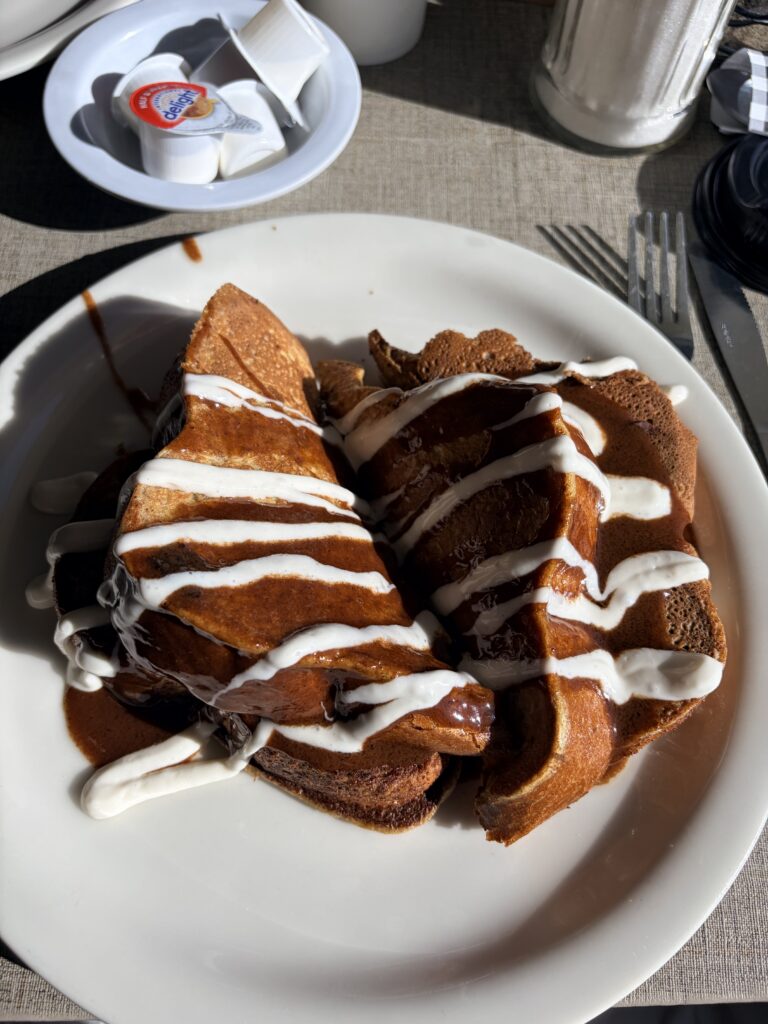
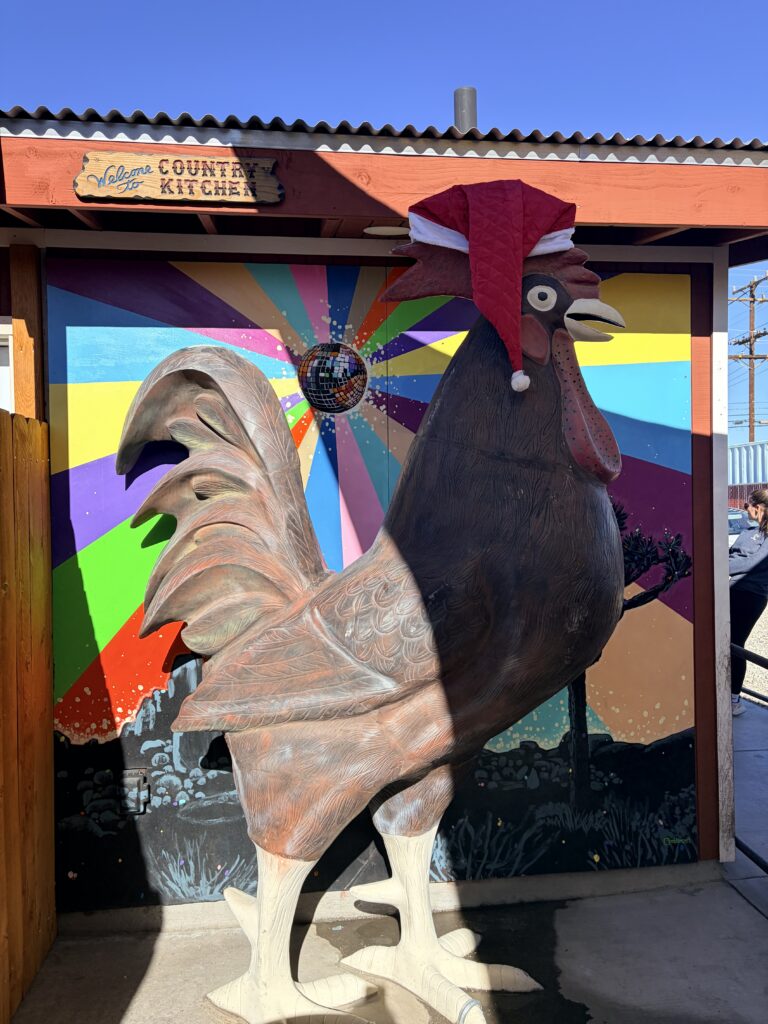
Pappy and Harriet’s in nearby Pioneertown is the trip’s unofficial main event for a lot of people, part restaurant, part legendary live music venue, and worth booking ahead for if you want a table during a busy weekend. For something simpler, Natural Sisters Cafe in Joshua Tree town is a reliable, healthy option if you’ve been snacking your way through the day and need an actual meal, and Pie for the People does exactly what the name promises if you want something easy after a full day outside. On the Twentynine Palms side, JT Country Kitchen (THE ABSOLUTE GOAT- but make a reservation beforehand because holy smokes this fills up fast) is the move for breakfast before you head into the park, hearty, unfussy, and exactly what you want before a day of hiking!
Things to Do Around Joshua Tree Beyond the Park
Pioneertown and Mane Street
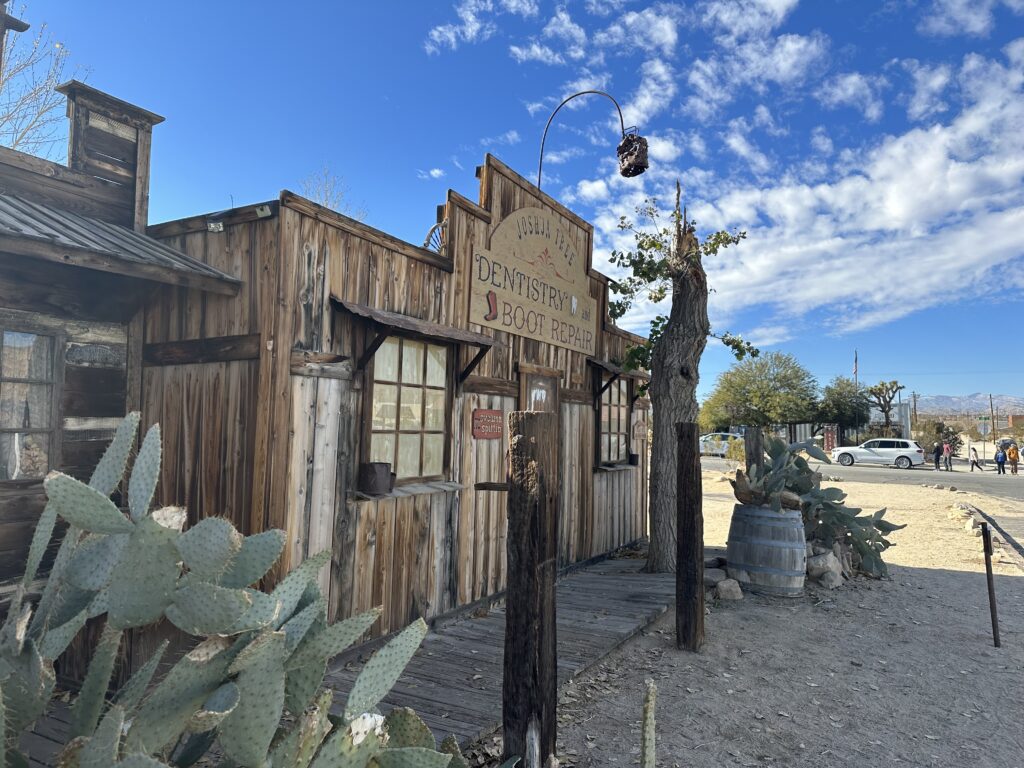
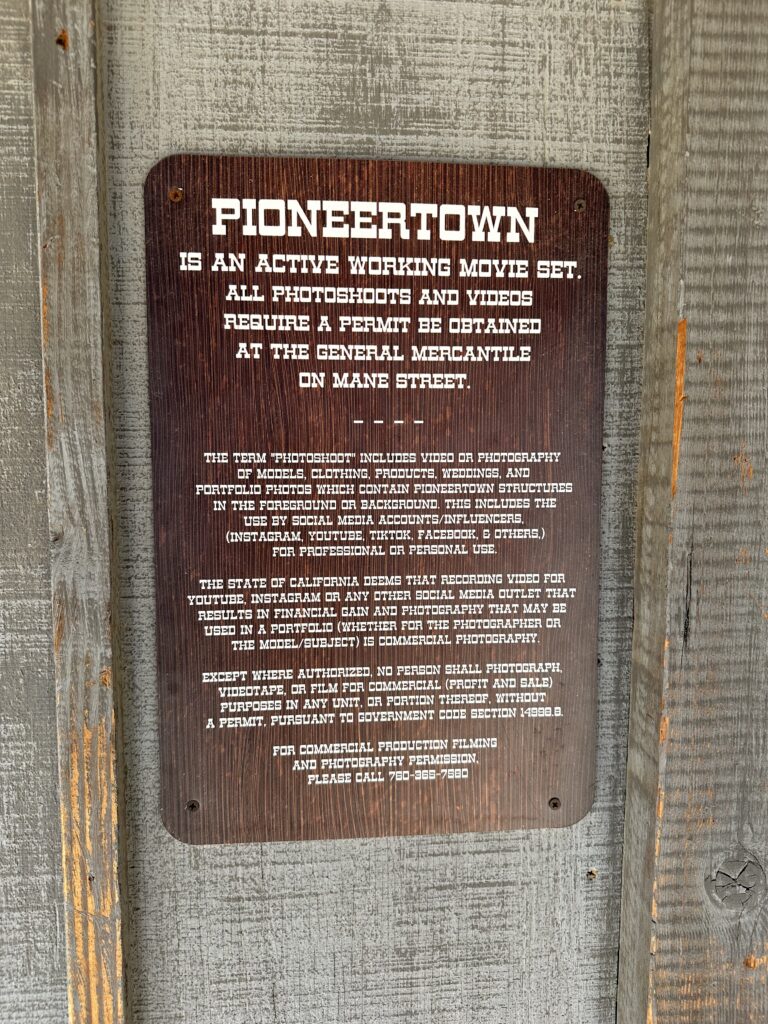
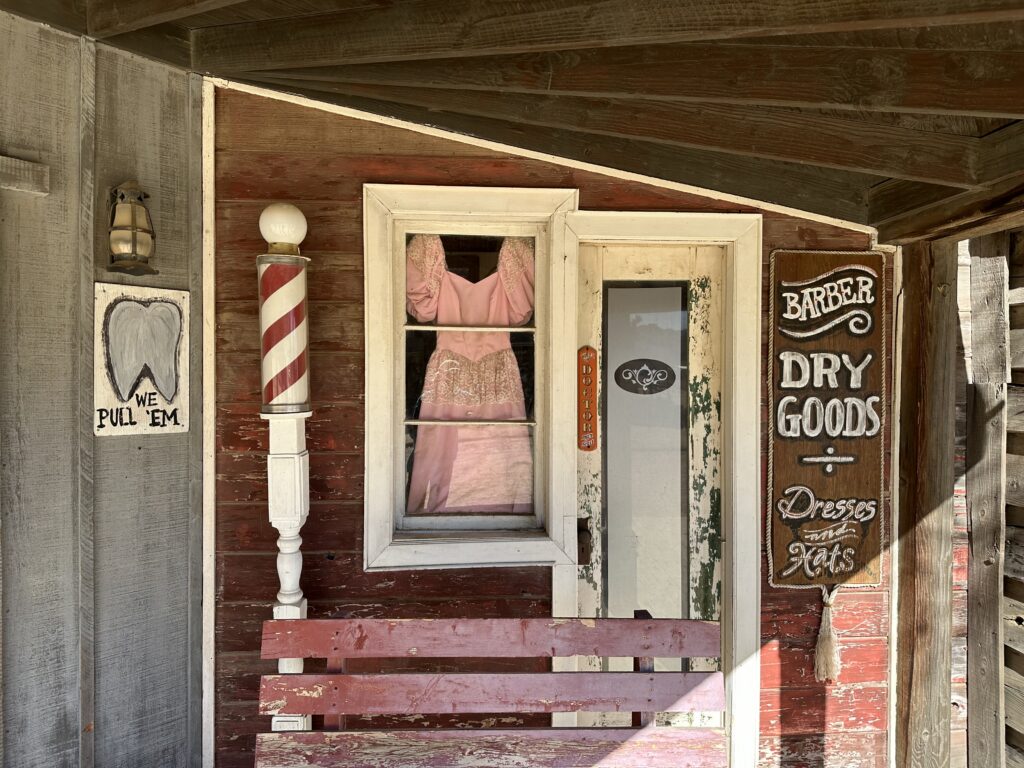
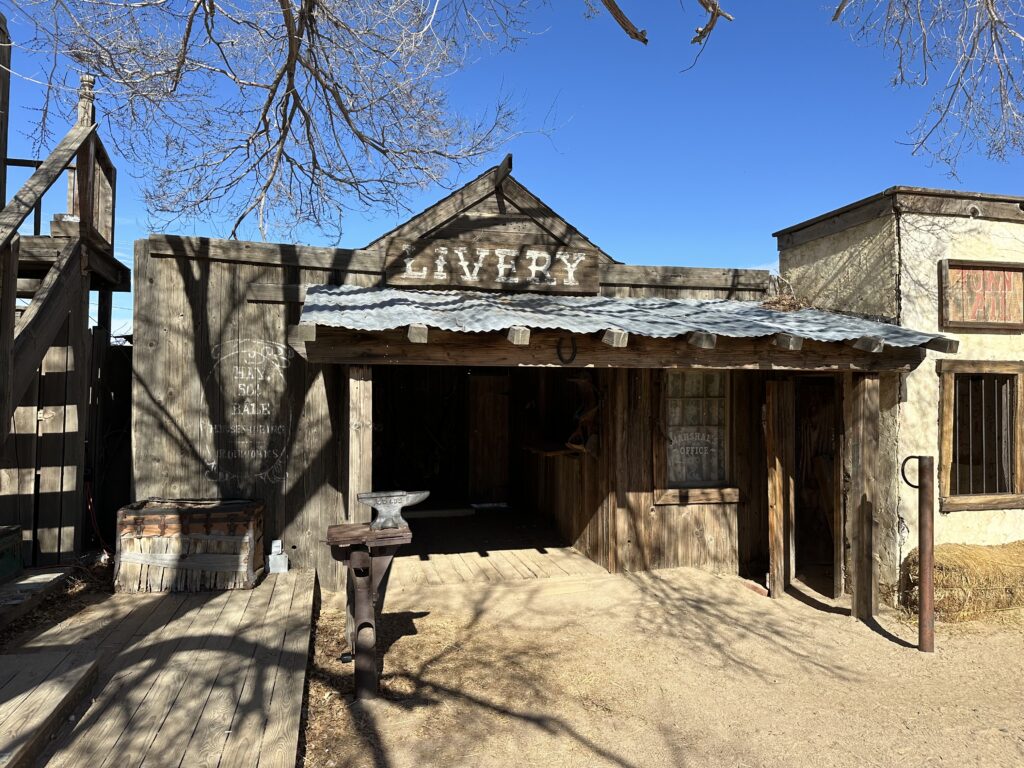
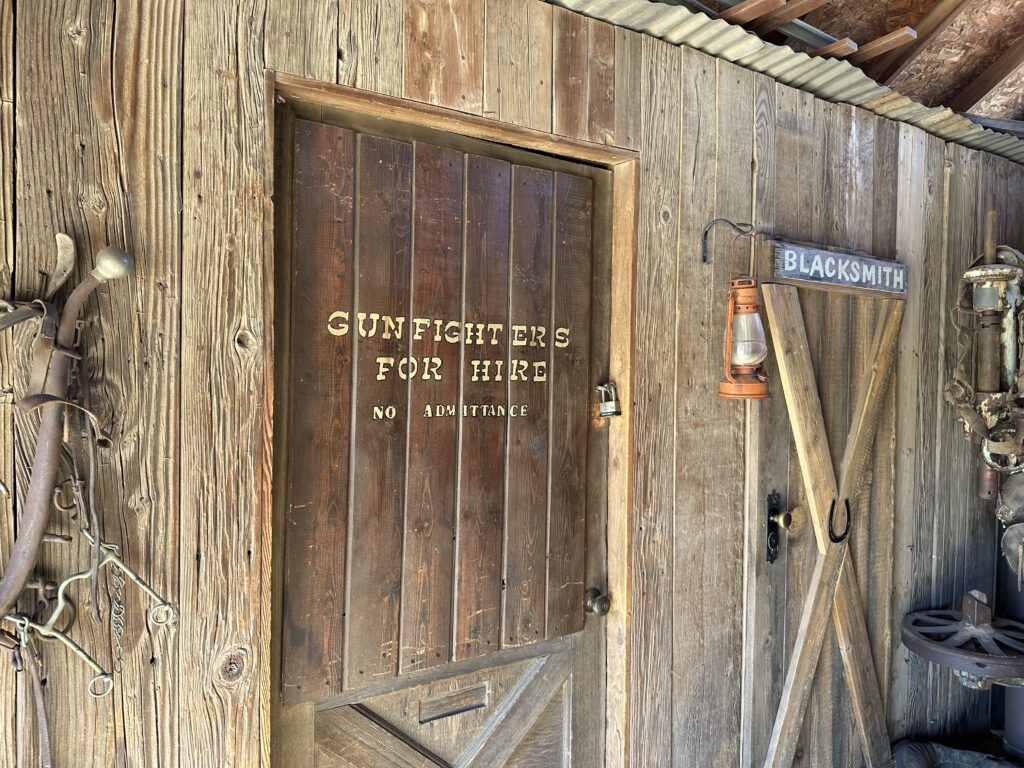
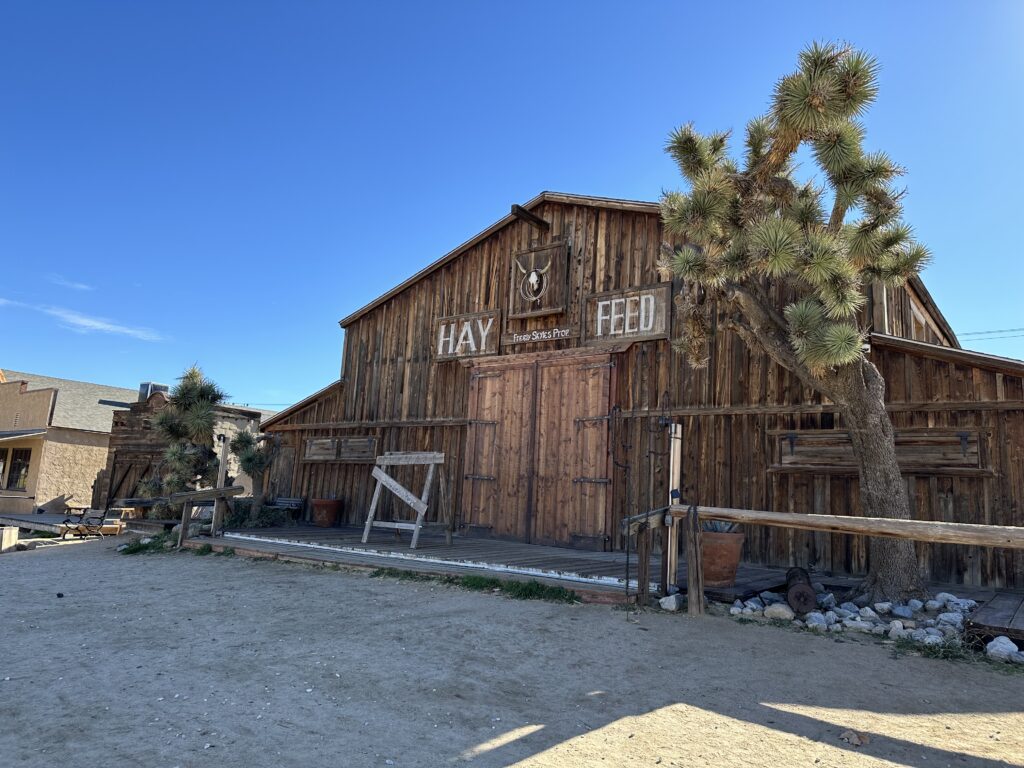
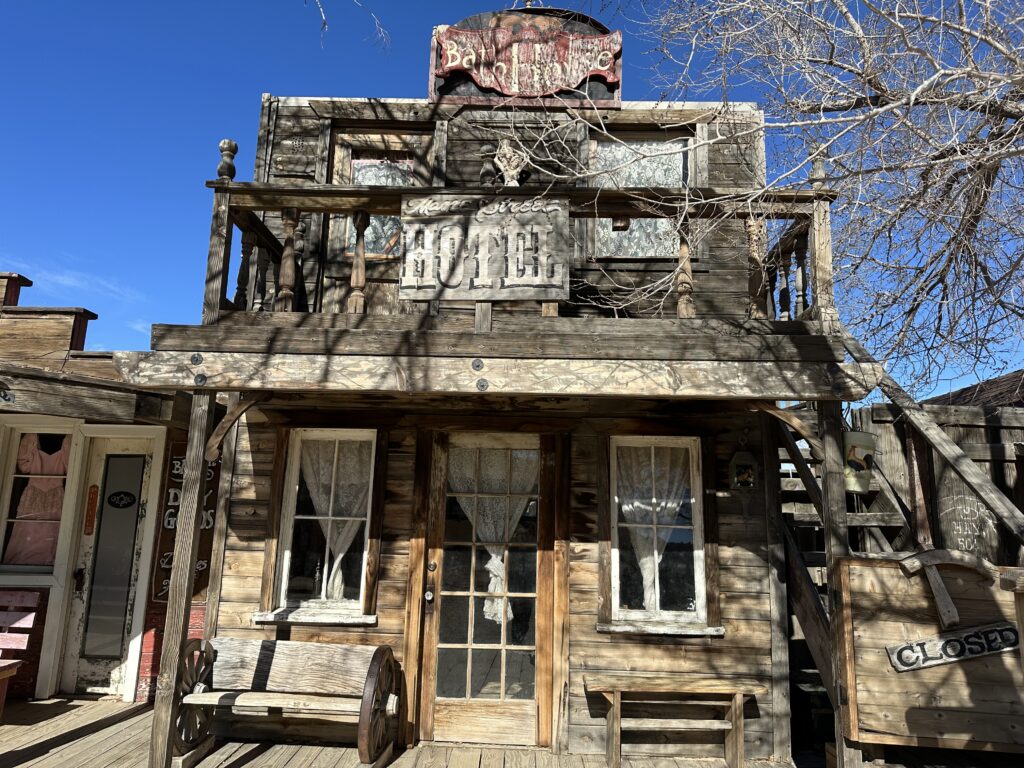
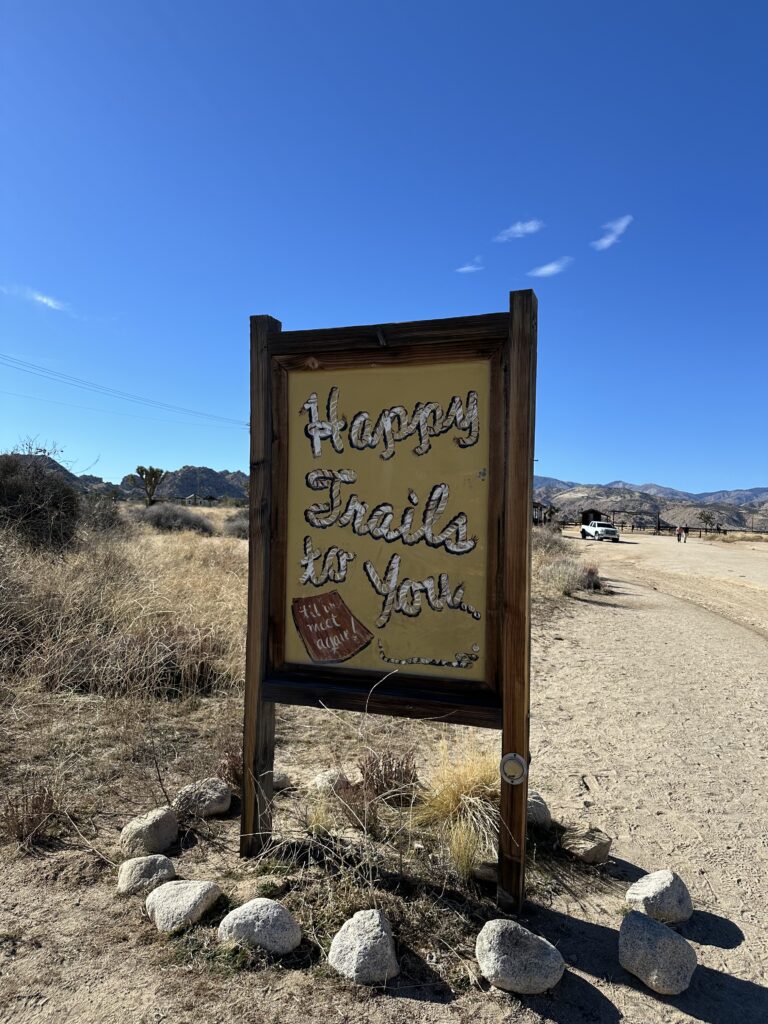
Pioneertown is genuinely one of the weirder, more charming detours in Southern California. It was built in 1946 as an actual functioning movie set, a place where Western film stars like Roy Rogers and Gene Autry could shoot during the day and live in town in the evening without ever breaking character. The main strip, Mane Street, still looks the part: weathered wooden storefronts, an old saloon, a livery stable, all preserved and now home to a handful of small shops selling handmade goods and vintage finds. It’s a short, easy walk end to end, and it photographs beautifully in late afternoon light.
Pappy and Harriet’s sits at one end of it, part restaurant, part legendary live music venue that’s hosted everyone from local desert rock bands to genuinely famous acts who wanted to play someplace nobody expected. Book a table ahead if you’re going on a weekend, it fills up fast, and even if there’s no show that night, the food alone is worth the stop.
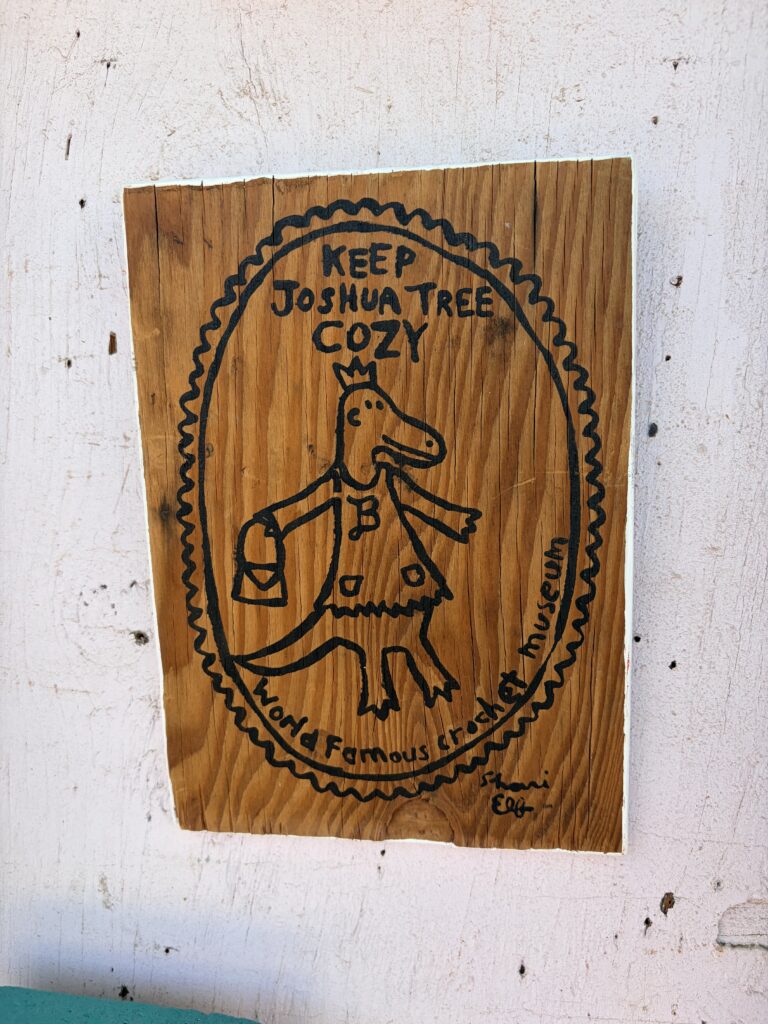
The World Famous Crochet Museum
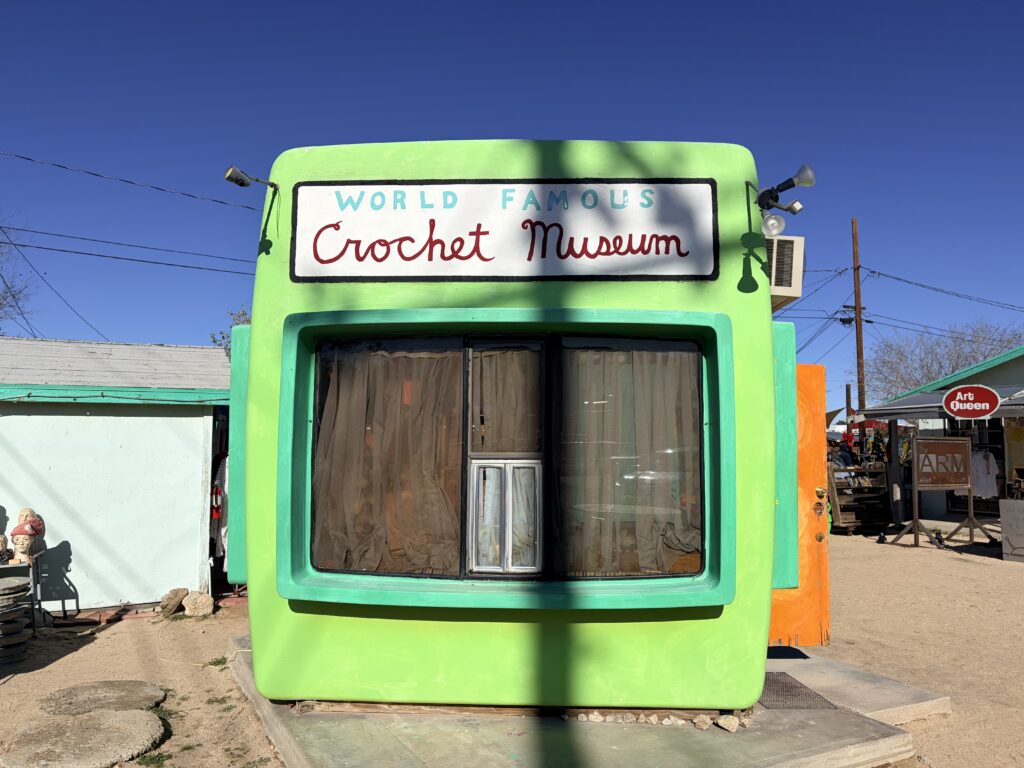
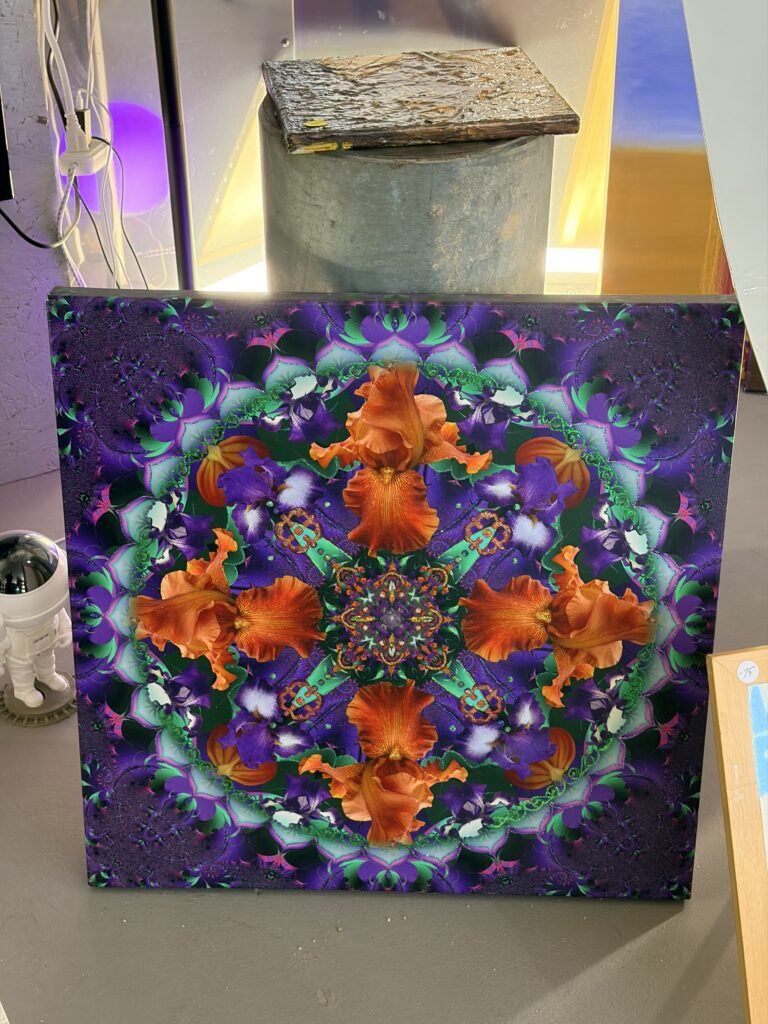
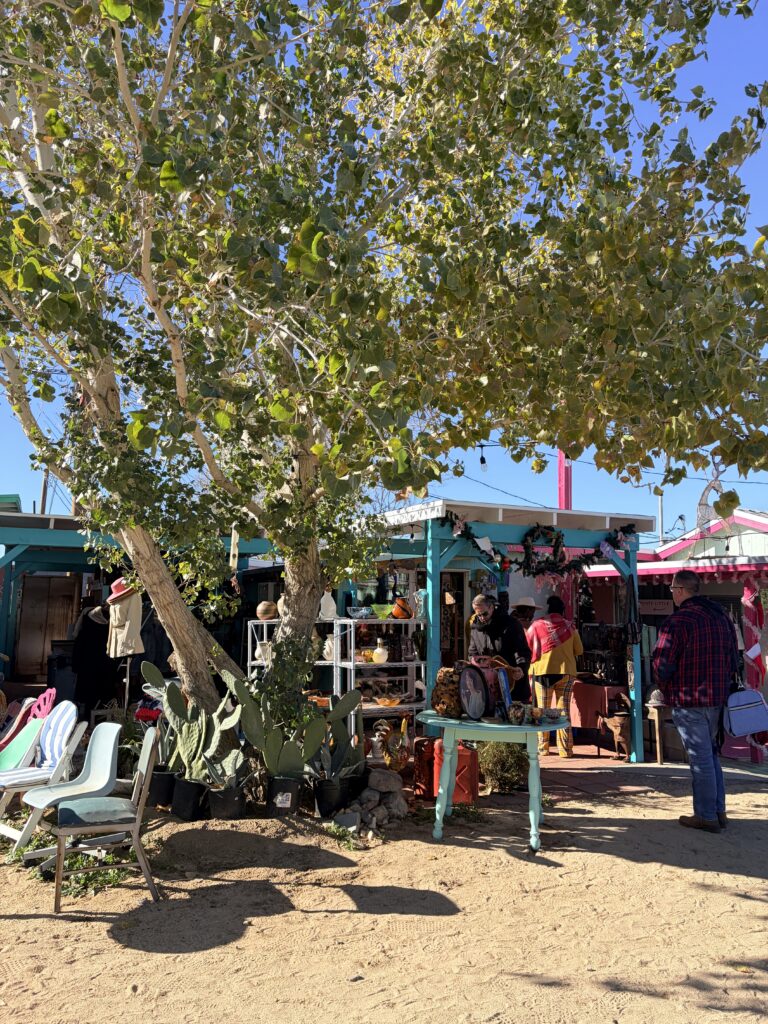
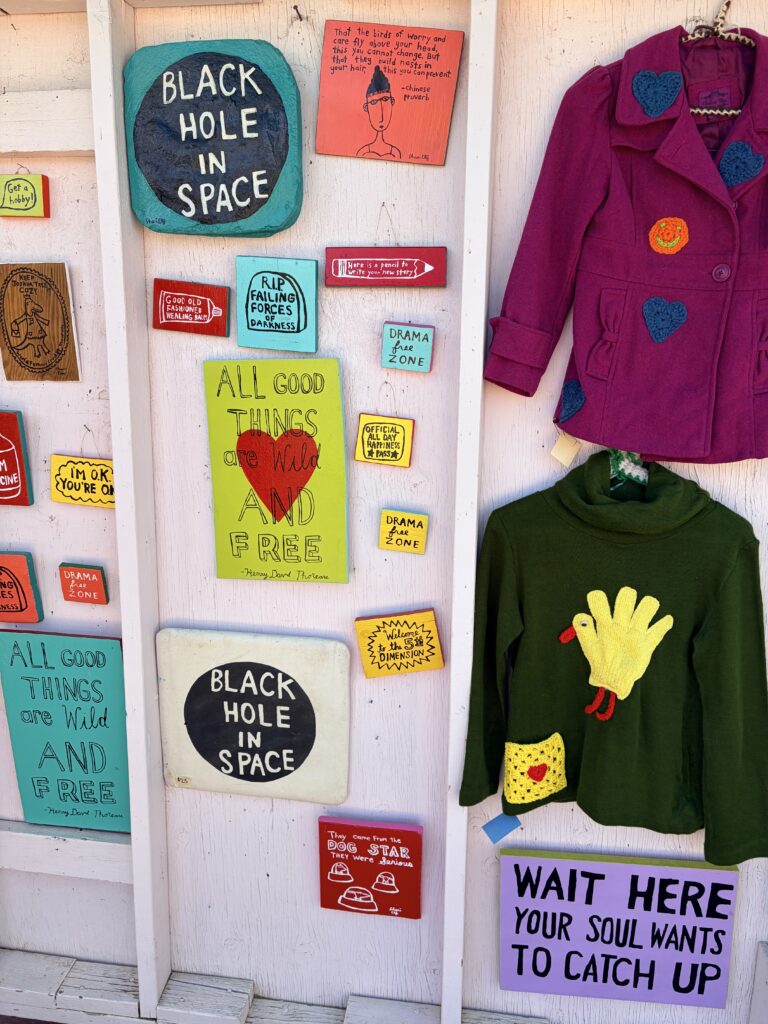
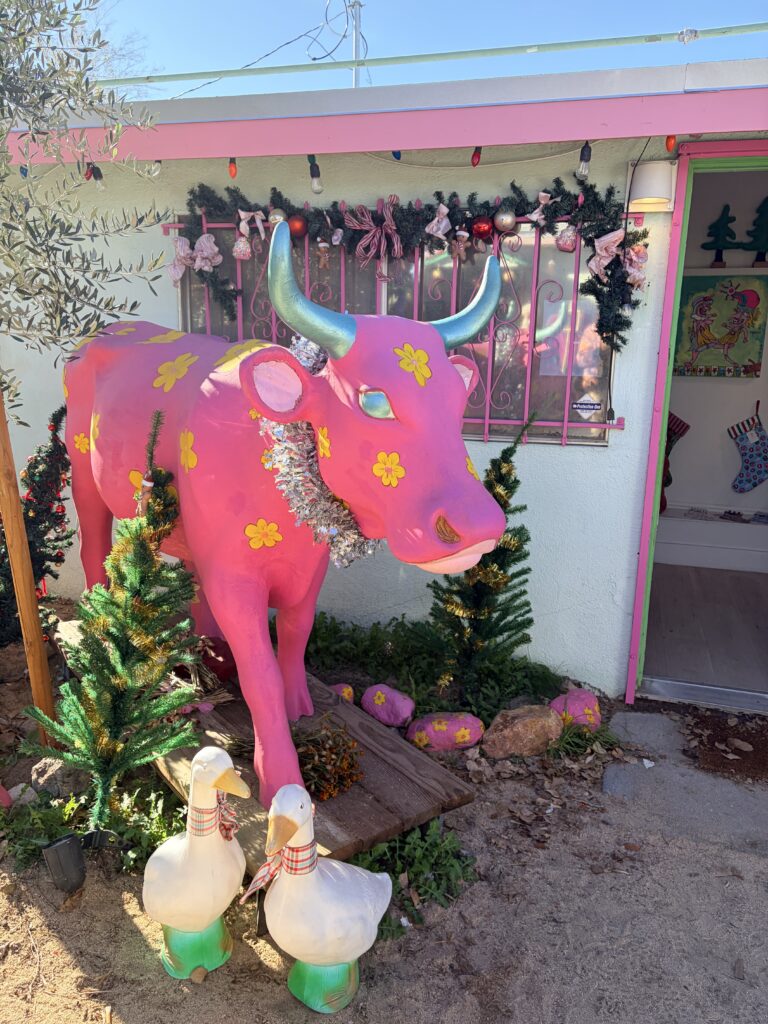
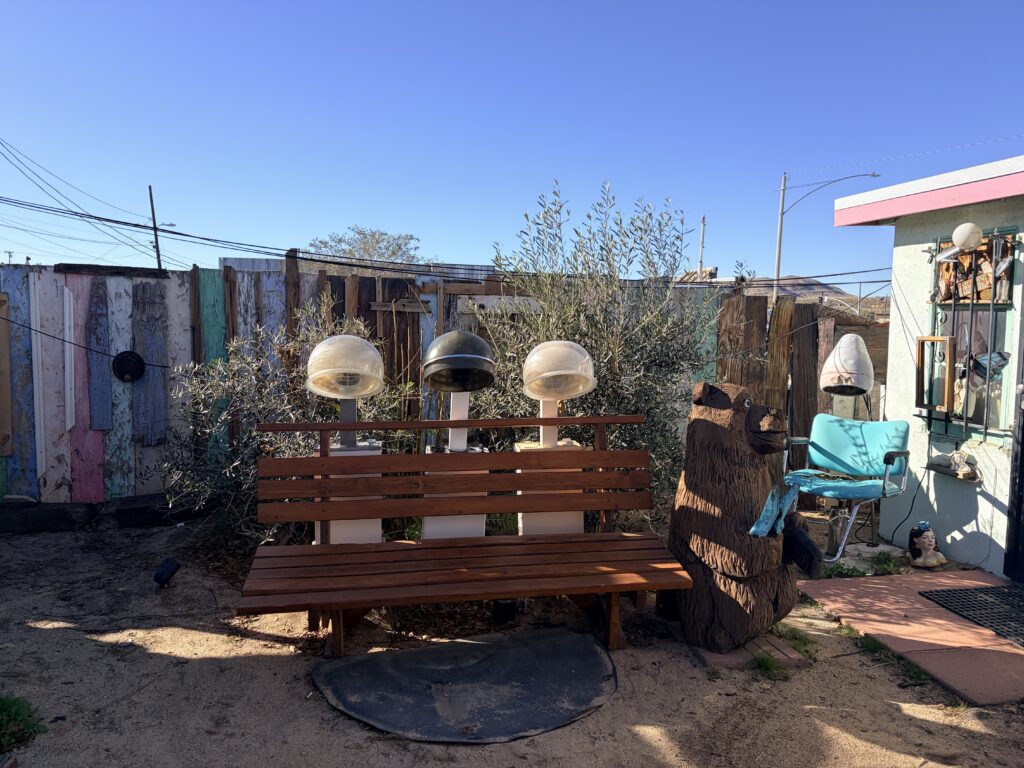
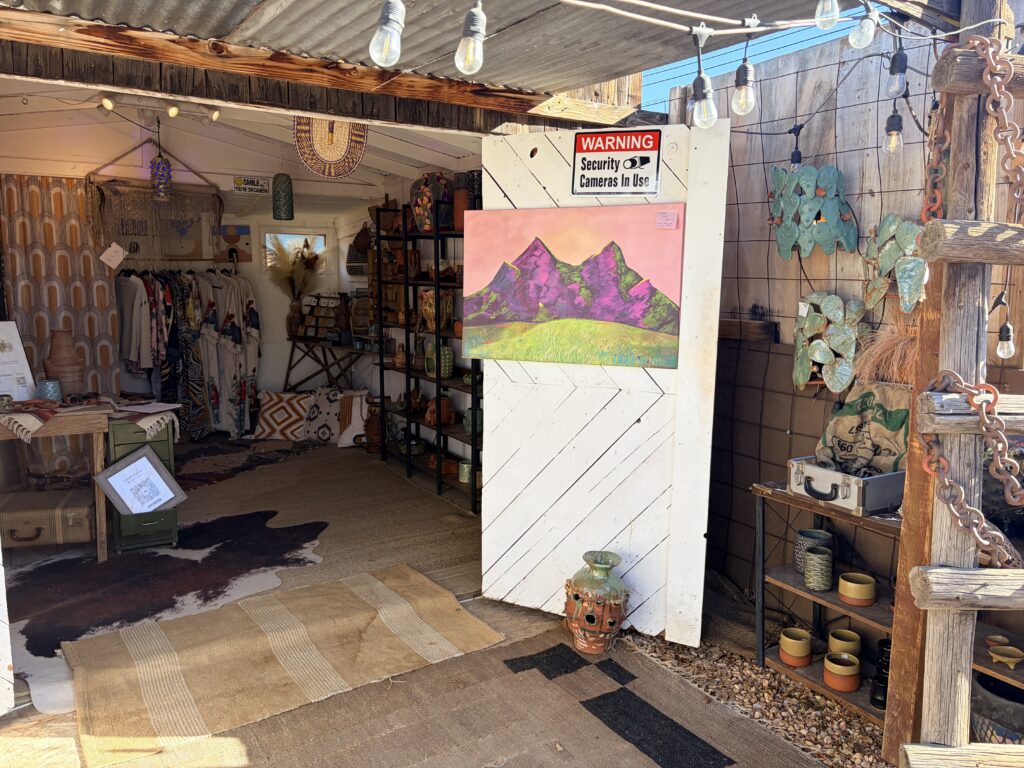
A small, genuinely delightful stop if you’re driving along Twentynine Palms Highway. It’s exactly what the name promises: a tiny structure absolutely packed with crocheted animals and figures, viewable from outside through the windows, no admission required. It takes maybe five minutes to see the whole thing, but it’s a good, weird little palate cleanser between bigger stops, and it photographs well if you’re building out a day’s worth of content.


The Noah Purifoy Outdoor Desert Art Museum
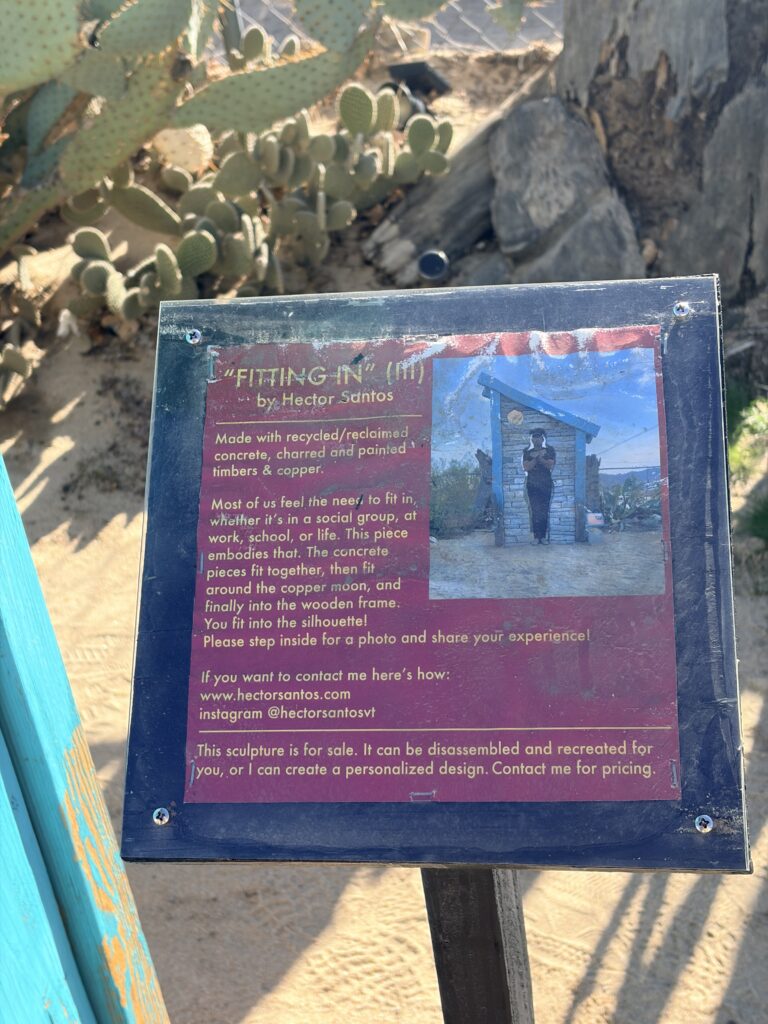
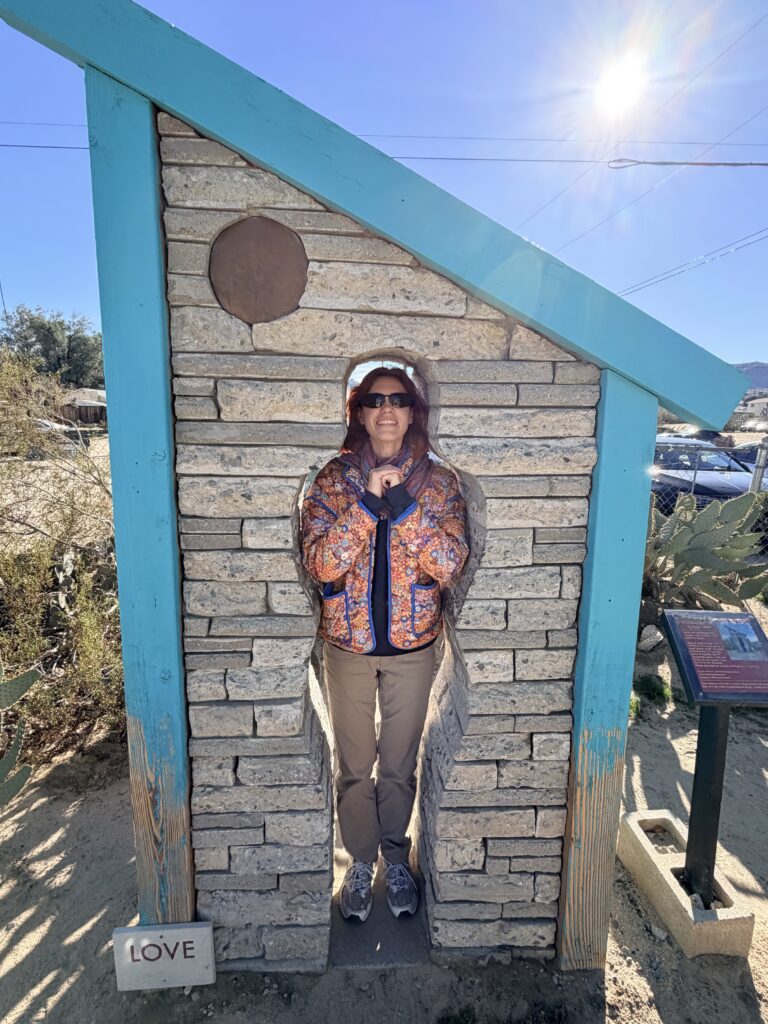
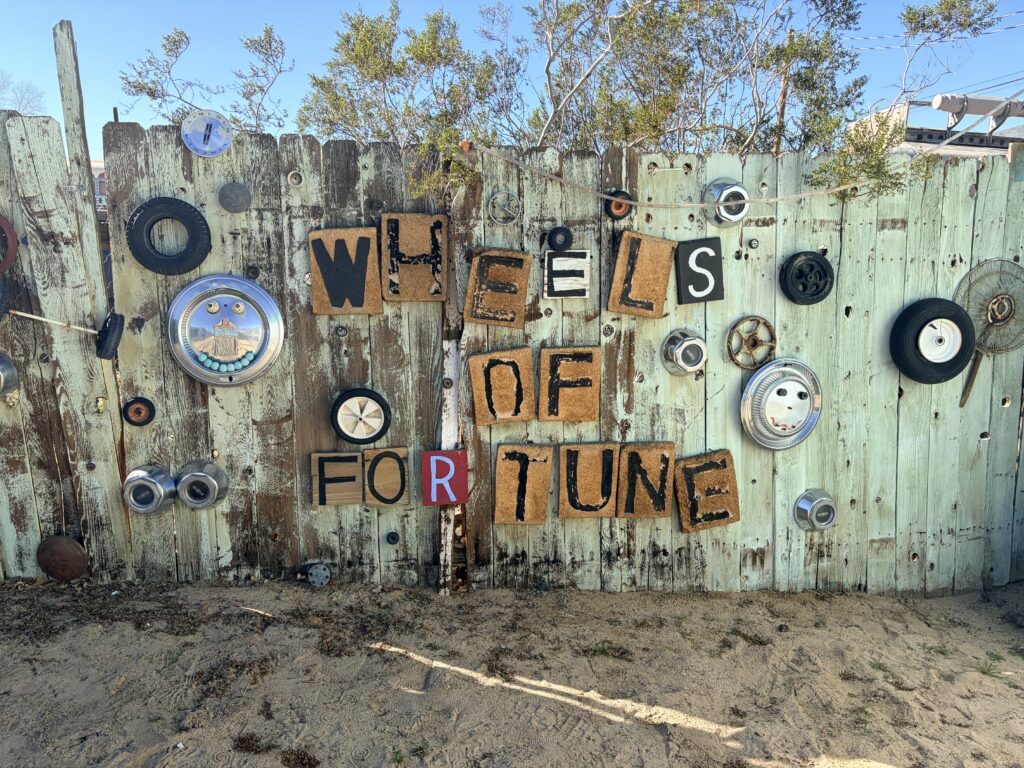
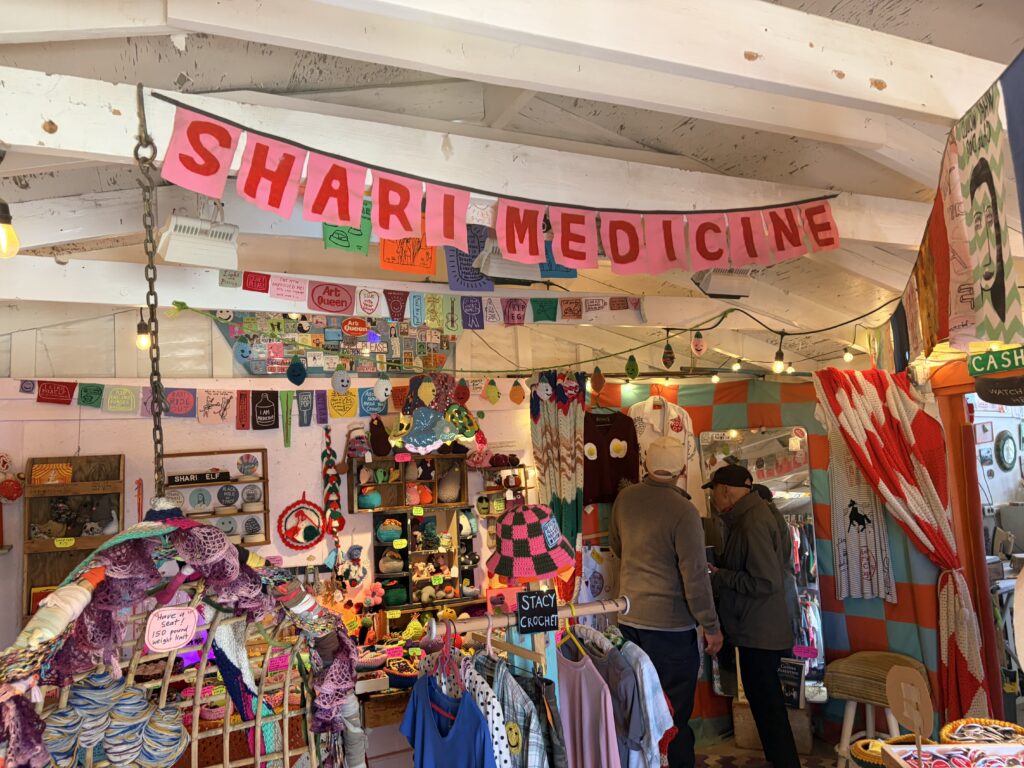
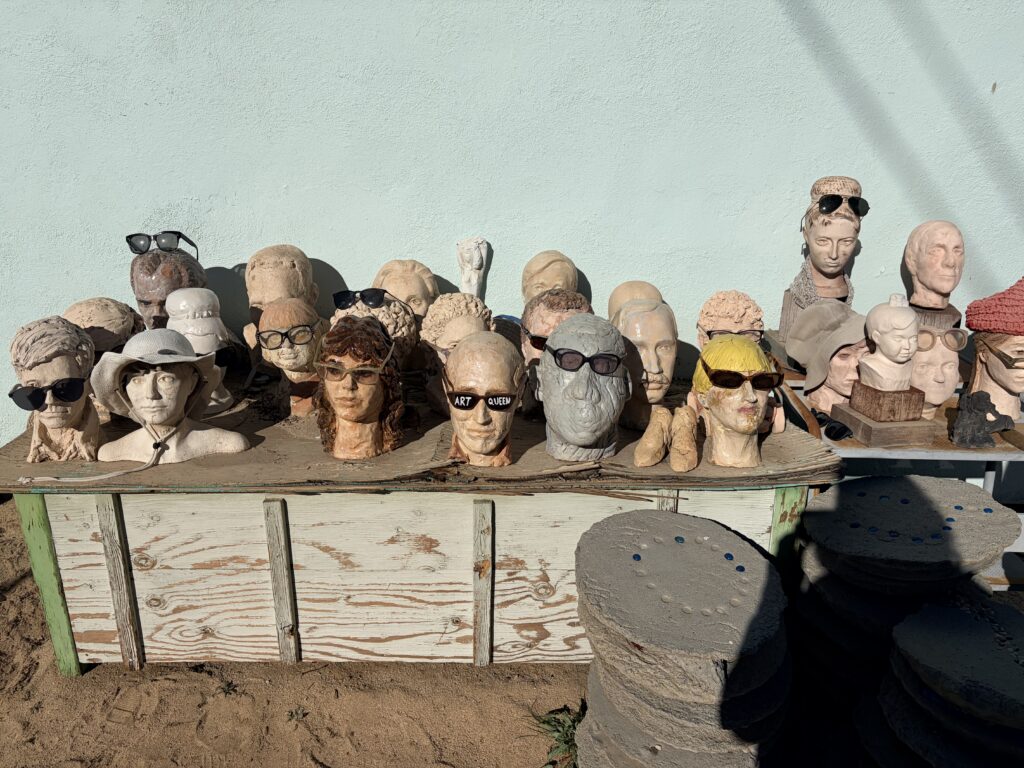
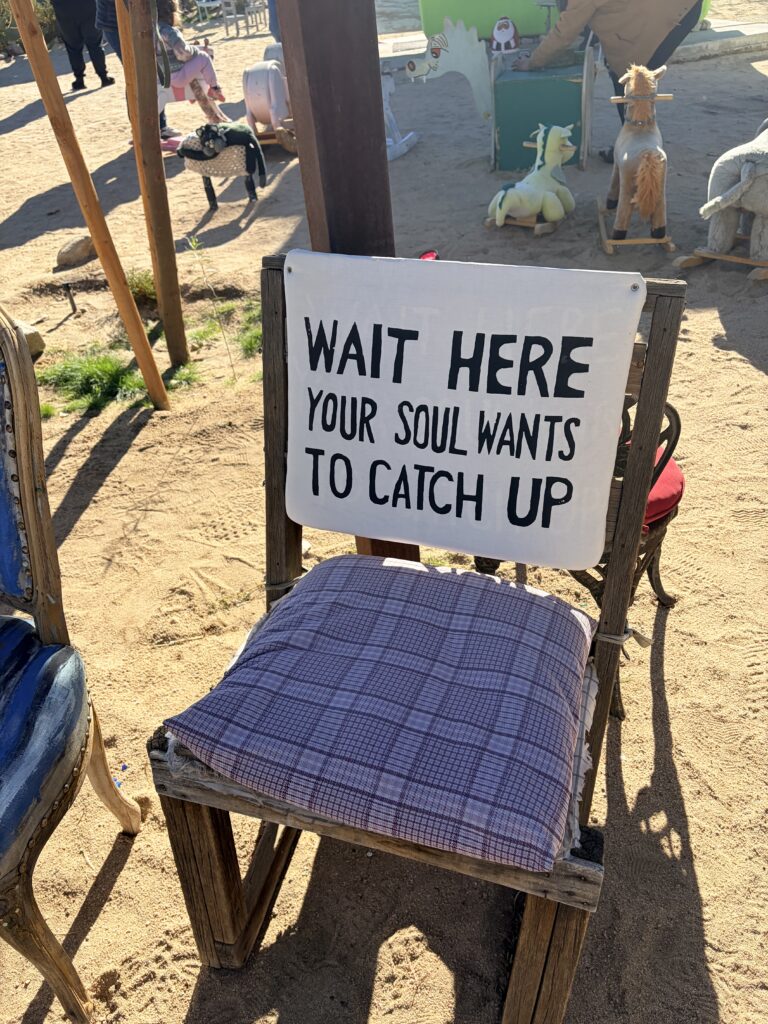
This is the one I recommend to almost everyone, and almost nobody has heard of it before I mention it. Noah Purifoy was a Los Angeles based assemblage artist who moved out to Joshua Tree at 72 and spent the rest of his life turning ten acres of desert into an outdoor sculpture museum built entirely from junk. Stacks of toilet seats, twisted metal, old televisions, wooden structures that read as houses and boats and something in between, over a hundred pieces total, all left exactly as he made them. It’s about ten minutes from the center of Joshua Tree town, open every day from sunrise to sunset, and completely free, though donations to the foundation are welcome. Wear closed toe shoes. The last stretch of road in is unpaved, and there’s real glass and rusted metal scattered through the property, part of the point, but not something you want under a sandal.
The Integratron
This one requires a slightly longer drive out to Landers, about thirty minutes northeast of Pioneertown, but it’s worth building into your schedule if you’re at all curious about the stranger side of the high desert. The Integratron is a domed structure built in the late 1950s by a man named George Van Tassel, who claimed the design and placement came from instructions received from extraterrestrials, and who believed the building sat at the intersection of powerful geomagnetic forces. Whatever you make of the backstory, the structure itself was added to the National Register of Historic Places, and today it’s known for its sound baths: sixty minute sessions where you lie on the floor of the resonant wooden dome while quartz crystal singing bowls, each tuned to a different point on the body, are played live around you. Public sound baths run Thursday through Sunday, and private group bookings are also available. A word of warning: don’t trust your GPS on the way there. It has a tendency to route people down random dirt roads. Pull up directions from the Integratron’s own website before you lose signal.
Giant Rock
Also out near Landers, and connected to the same strange desert-mystic history as the Integratron, Giant Rock is exactly what it sounds like: one of the largest freestanding boulders in the world, sitting alone in an open stretch of desert. It’s tied to the same George Van Tassel lore, he actually lived beneath it for a period and held annual UFO conventions on the site in the 1950s. There’s not much infrastructure around it, no gift shop, no ticket booth, just the rock itself and a wide open sky, which is honestly the whole appeal.
Cabot’s Pueblo Museum
A bit further out in Desert Hot Springs, roughly forty minutes from Joshua Tree town, this one’s worth the detour if you have a full extra day. Cabot Yerxa was an early homesteader and self-taught builder who spent decades constructing an elaborate, multi-story adobe pueblo by hand, using reclaimed and salvaged materials throughout. Guided tours run regularly and go into real depth on Yerxa’s life and the building’s construction, and it’s a genuinely different flavor of desert history than the art-and-mysticism thread running through Pioneertown and the Integratron.
The Hi-Desert Nature Museum
If you want something low-key and free to fill an hour, especially with kids or on a day when the heat or wind makes outdoor plans less appealing, this small museum in Yucca Valley covers the natural and cultural history of the surrounding desert, with live animal exhibits and rotating displays. It’s not a full afternoon on its own, but it pairs easily with a thrifting stop or a coffee run in the same part of town.
A night out in town
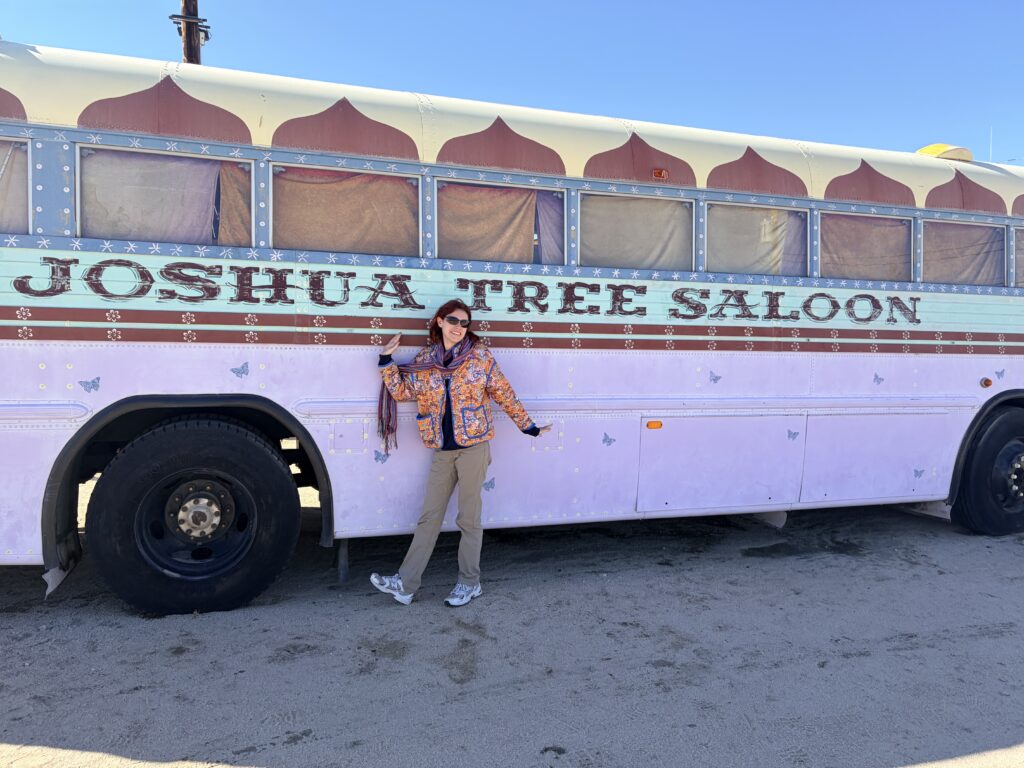
If your group wants something more low-key than Pappy and Harriet’s, the Joshua Tree Saloon in the middle of town is a solid, unpretentious dive with live music some nights and a patio worth grabbing a seat on if the weather’s cooperating. It’s the kind of place where you end up talking to whoever’s next to you at the bar, which, depending on your group, might be exactly what you’re looking for after a full day outside.
Building it into your weekend
None of this requires cutting into your park time in any meaningful way. We usually treat the Purifoy museum as a quick stop on the way into town, save Pioneertown and the Integratron for the second half of a longer day since they sit a bit further out, and leave the smaller stops, the Crochet Museum, the Hi-Desert Nature Museum, for whenever we’re already driving past them. Joshua Tree the town, and the strange, sprawling high desert around it, has just as much personality as the park itself. It just takes a little more intention to find it.